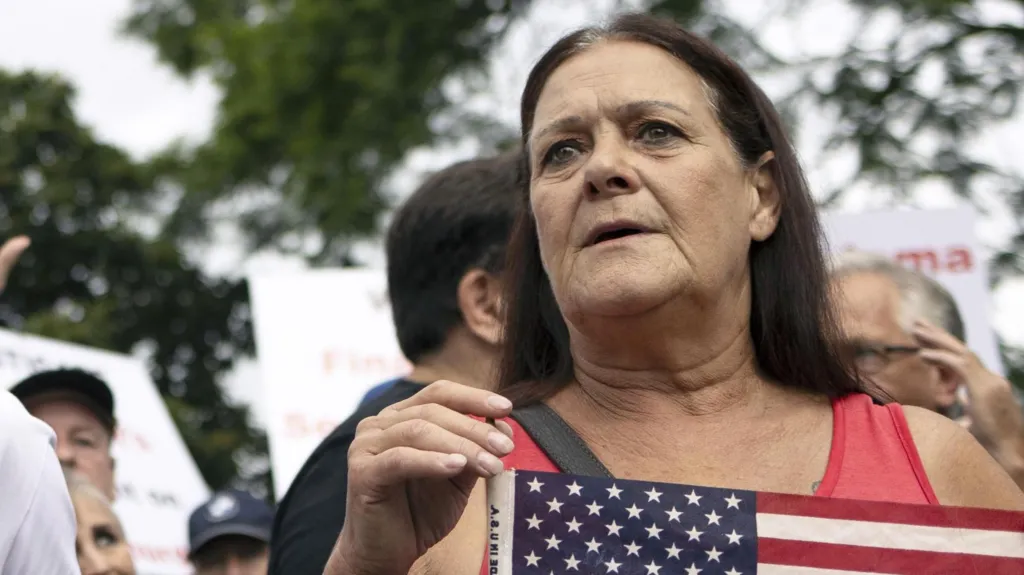
The Trump administration has requested the U.S. Supreme Court to intervene in its effort to end the temporary legal status of hundreds of thousands of migrants from Venezuela, Cuba, Haiti, and Nicaragua, a program introduced under President Joe Biden.
On Thursday, May 8, the Justice Department asked the Court to suspend a federal court order that blocked the administration’s attempt to revoke immigration parole for these migrants.
U.S. District Judge Indira Talwani of Boston had previously ruled against the administration, stating that such broad terminations violate federal immigration parole law. Under U.S. law, parole permits individuals to remain and work in the U.S. for “urgent humanitarian reasons or significant public benefit.”
In their filing to the Supreme Court, Justice Department lawyers argued that Talwani’s decision undermines “critical immigration policies that are carefully calibrated to deter illegal entry” and reversed “democratically approved policies that were central to the November election,” which saw Donald Trump return to office.
The administration contended that ending the parole program aligns with Trump’s broader immigration agenda and that the judge had overstepped by interfering with executive authority over immigration and foreign policy.
Trump issued an executive order on January 20, his first day back in office, directing an end to the parole program. The Department of Homeland Security followed in March by terminating the program and cutting short the two-year parole grants that had been given to approximately 400,000 people.
In total, about 530,000 migrants received immigration parole under Biden’s administration, which had expanded the program in 2022 to include Venezuelans arriving by air and later extended it to Cubans, Haitians, and Nicaraguans.
The administration argued that revoking parole protections would expedite deportations through a faster removal process. However, plaintiffs—including migrants who had been granted parole and their sponsors—sued the government, claiming that the mass termination violated federal law, which mandates individual, case-by-case parole determinations.
Karen Tumlin, director of the Justice Action Center and a lawyer representing the plaintiffs, criticized the administration’s actions.
“The Trump administration is hellbent on punishing nearly half a million people who did everything the government asked of them,” she said. “Everyone sponsors, beneficiaries, communities and the economy alike benefit from humanitarian parole.”
The Supreme Court has instructed the plaintiffs to respond to the government’s request by May 15.
This case adds to a growing list of emergency filings by the Trump administration seeking to reverse court decisions that have blocked various policy measures, many of which are related to immigration.