The World Food Programme (WFP) has issued a warning that the ongoing conflict in the Middle East is driving a significant rise in global costs for food, fuel, and shipping.
Continued disruptions threaten to plunge millions more into hunger.Data released by the agency indicates that households throughout Asia and Africa are grappling with the consequences of strained supply networks.
Increased shipping expenses and delays in the delivery of critical items like fertilizer, medicine, and food are creating economic instability.
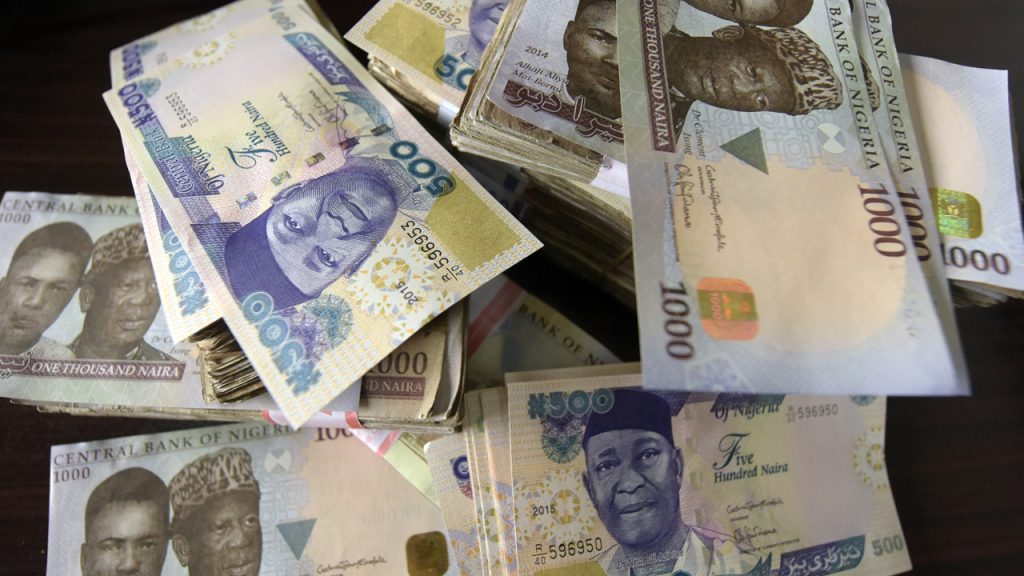
Local traders and residents share this burden. In Abuja, Nigeria, merchant Mummy Christiana reports that rising costs make it nearly impossible to cover basic needs with limited funds.
Similarly, in Mogadishu, Somalia, Aweys observes daily price hikes that exacerbate the struggles of vulnerable families. Similar trends have emerged in Myanmar, where rice prices have spiked, particularly in regions still struggling after the 2025 earthquake.
WFP Supply Chain Director Corinne Fleischer noted that shipping routes are becoming longer and more expensive, costs that are ultimately borne by the consumer. Families allocating 50 to 70 percent of their earnings to food are particularly susceptible to these price shocks.
Projections from the WFP suggest that as many as 45 million additional people could face hunger, raising the global total to approximately 363 million.
Two-thirds of those currently at risk reside in Africa and Asia. Furthermore, the agency noted that its humanitarian missions are becoming costlier, limiting its capacity to provide essential aid.
Agricultural sectors are also suffering. East African livestock exports and fertilizer supplies are under threat, while farmers in Myanmar are facing fuel shortages and difficulties securing planting supplies.
To mitigate these challenges, the WFP is attempting to source food locally and transition toward cash-based aid. However, the organization cautioned that inadequate funding could severely restrict its ability to assist those in need as the global economic situation worsens.