

Jigawa Uncovers Over 7,000 Ghost Workers In Major Clean-Up Operation

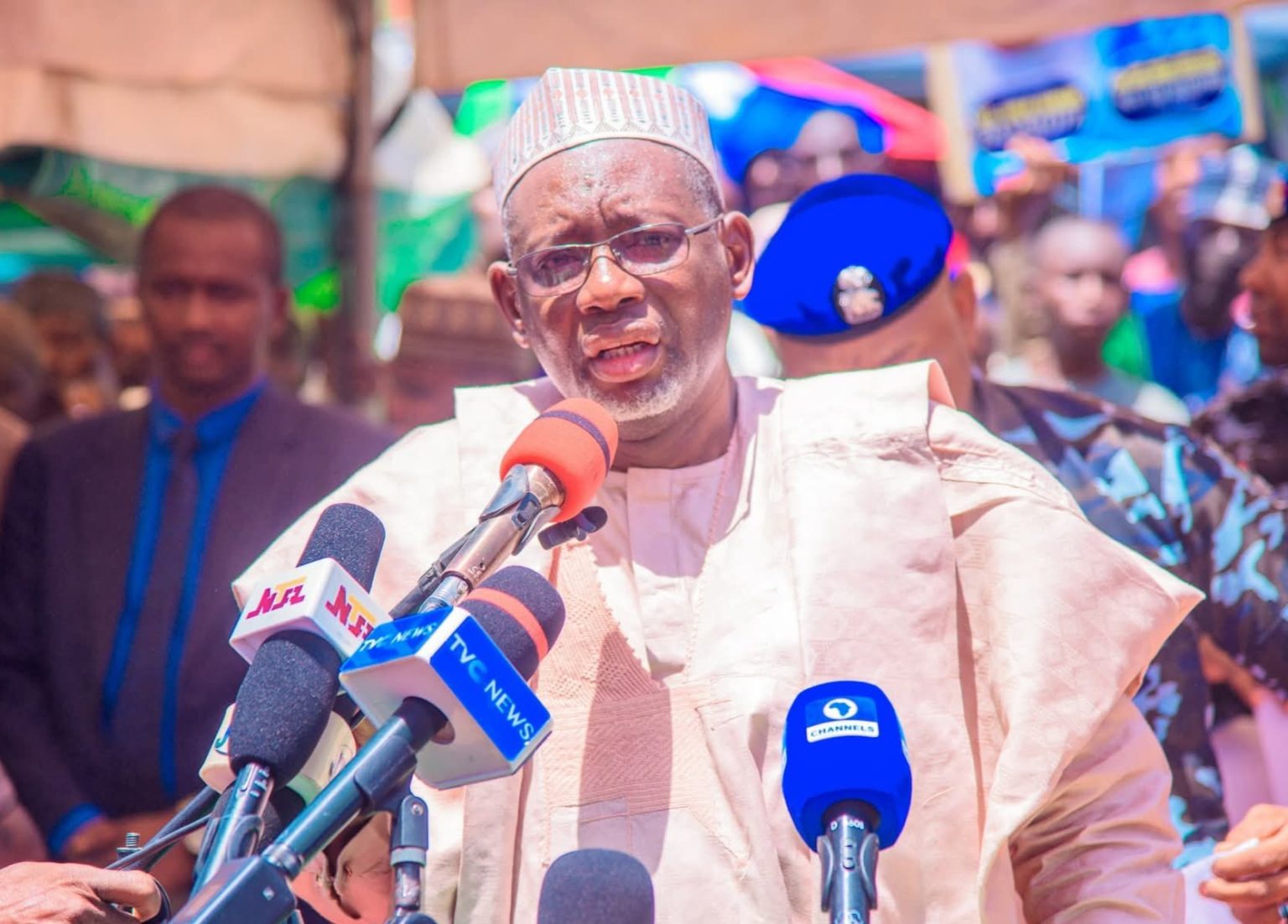
The Jigawa State Government has uncovered approximately 7,000 ghost workers, who have now been removed from the state’s payroll.
This was disclosed by the Commissioner for Finance, Hannatu Sabo, during a press briefing in Dutse to mark Governor Umar Namadi’s two years in office.
Sabo explained that those identified as ghost workers failed to appear for the mandatory verification exercise, leading to their removal from the payroll.
Mrs Sabo said, “The fake employees were removed from the payroll as they failed to report for the verification exercise.”
“The government’s commitment to transparency and accountability has also been demonstrated through the verification exercise and the removal of ghost workers from the payroll.”
She emphasized that the exercise was part of a broader government strategy to sanitize the civil service and eliminate fraudulent salary claims.
According to her, it also paved the way for the injection of fresh personnel into the J-Health, J-Teach, and J-Agro schemes—initiatives aimed at revitalizing the healthcare, education, and agriculture sectors, respectively.
“The Jigawa State Government’s efforts to eliminate ghost workers and streamline its workforce demonstrate its commitment to transparency and accountability,” she stressed
“The exercise also led to the recruitment of new employees under the J-Health, J-Teach, and J-Agro programmes,” she added.
The commissioner stated that Jigawa is among the few states fully implementing the new salary structure, making it one of the highest-paying in the country. She also noted that the state now receives an increased monthly allocation from the Federal Government, which is expected to boost revenue generation and accelerate development projects.
Regarding salary payments, she emphasized that civil servants receive their wages promptly—before the 25th of each month—per Governor Umar Namadi’s directive.
On investment, she revealed that the state government has taken over the privately-run Khadija University in Majia and has acquired equity in the Kano Electricity Distribution Company (KEDCO). These moves, she said, are part of the administration’s broader effort to improve revenue generation and enhance education and electricity supply across the state.
“The purchase of Khadija University and the acquisition of shares in KEDCO are expected to boost the state’s revenue and improve the quality of education and electricity supply. The government’s support for microfinance banks will also provide financial services to more citizens, especially in rural areas.”
According to Mrs. Kauni, the administration has also increased its support for microfinance institutions and is planning to establish bank branches in local government areas that currently lack access to banking services.

You may be interested
Violent Clashes Erupt During Lahore High Court Bar Elections
gisthub - Mar 03, 2026A physical confrontation between legal professionals broke out within the Lahore High Court premises in Pakistan during the Bar Association’s electoral proceedings. The…
IAEA Confirms Strike Impact at Natanz Nuclear Complex
gisthub - Mar 03, 2026The International Atomic Energy Agency (IAEA) has verified that recent military strikes by American and Israeli forces caused structural damage to Iran's Natanz…

Flamengo Parts Ways with Filipe Luis Despite Dominant Semi-Final Victory
gisthub - Mar 03, 2026In a surprising move, Brazilian powerhouse Flamengo has dismissed head coach Filipe Luis shortly after a commanding 8-0 win over Madureira in the…
Most from this category

Death Toll Climbs in Iran as New Leadership Defies Foreign Pressure
gisthub - Mar 03, 2026
Sean ‘Diddy’ Combs Set for April 2028 Prison Release
gisthub - Mar 03, 2026
US Embassy in Riyadh Hit by Drones Amid Rising Regional Tensions
gisthub - Mar 03, 2026
Our Picks

Chargers’ Ben Cleveland Reaches Major Divorce Settlement Following DUI Case
gisthub - Mar 03, 2026Death Toll Climbs in Iran as New Leadership Defies Foreign Pressure
gisthub - Mar 03, 2026Sean ‘Diddy’ Combs Set for April 2028 Prison Release
gisthub - Mar 03, 2026
Most Popular


Leave a Comment