Northern stakeholders and community leaders have voiced deep concern over the persistent threat of terrorism, sparking an inquiry into why military rescue missions face such severe difficulties despite increased troop presence. Security analysts and former commanders identify vast, lawless territories, challenging landscapes, and poor community intelligence as primary hurdles. In some instances, residents act as informants or suppliers for criminal groups due to fear or coercion.
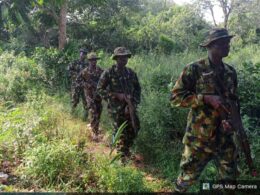
Experts stress that a multifaceted approach is necessary, combining military force with technological surveillance, economic development, and enhanced local engagement. The terrain remains a significant barrier; dense forests, rocky valleys, and mountainous regions provide natural vantage points for insurgents to monitor troop movements. Furthermore, the systematic use of Improvised Explosive Devices on approach routes forces soldiers to advance slowly on foot, increasing their vulnerability to ambushes.
A critical challenge involves the terrorists’ tactical use of human shields. By keeping hostages in shifting groups near civilian settlements, criminals restrict the military’s ability to use heavy weaponry or airstrikes. Additionally, inadequate telecommunications in remote areas and porous borders allow these groups to move freely across state and international lines. Retired officials emphasize that successful operations rely on long-term intelligence gathering, trust-building with local populations, and strategic patience rather than immediate, high-risk military force.