

FG Sets 12 As Minimum Age For JSS1 Entry In Private Schools Under New Policy

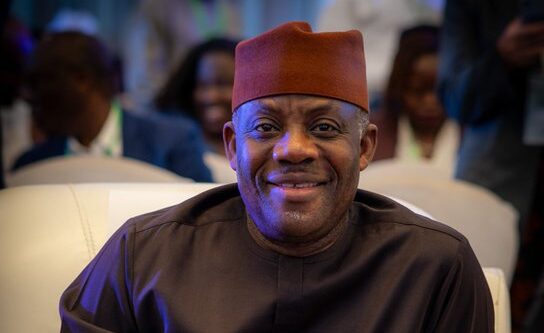
The Federal Ministry of Education has released a new policy document regulating Non-State Schools, also known as private or independent schools, and has officially set 12 years as the minimum age for students transitioning into Junior Secondary School 1 (JSS1) after completing six years of primary education.
This move, unveiled last week, aims to standardize enrolment ages across non-state institutions, which are typically funded through tuition and private donations. The ministry highlighted that although these schools play an increasingly vital role in the country’s education system, there is wide disparity in the quality of instruction provided.
Per the policy, early childhood education must follow a structured path: three years of nursery school, starting at age three, followed by one year of compulsory kindergarten at age five. Primary education begins at age six and spans six years, culminating in entry into JSS1 at age twelve.
“Basic education shall be of nine years’ duration six years of primary and three years of junior secondary. Children shall be admitted into Primary One when they attain the age of six. They shall be admitted into JSS1 when they have completed primary education, around the age of 12,” the ministry outlined.
If implemented as written, the policy suggests that the average Nigerian student would enter tertiary institutions at age 18, potentially ending the long-standing debate on age-appropriate university entry.
This debate gained momentum in recent years. Former Education Minister, Prof. Tahir Mamman, once proposed 18 as the minimum age for university admission, but his successor, Dr. Tunji Alausa, reversed the decision, reinstating the 16-year-old benchmark.
The ministry’s Nigeria Education Digest 2022 also revealed a rapid rise in non-state schools across the country. From 2017 to 2022, the number of private primary schools grew by 31.56%, compared to a mere 3.3% increase in public primary schools. At the junior secondary level, non-state schools saw a 35.06% growth, while public schools expanded by just 6.8%.
Interestingly, non-state schools outnumber government-run schools in junior secondary education across at least 26 states, although public primary schools still dominate in 19 states.
This policy marks a push towards harmonization and accountability, seeking to create a level playing field for all learners regardless of school type.

You may be interested

Violent Clashes Erupt During Lahore High Court Bar Elections
gisthub - Mar 03, 2026A physical confrontation between legal professionals broke out within the Lahore High Court premises in Pakistan during the Bar Association’s electoral proceedings. The…
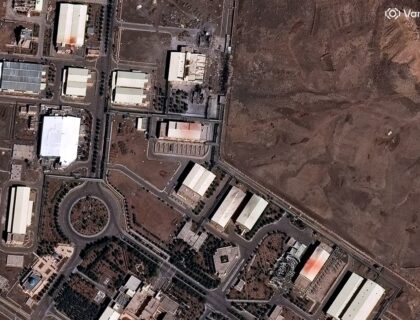
IAEA Confirms Strike Impact at Natanz Nuclear Complex
gisthub - Mar 03, 2026The International Atomic Energy Agency (IAEA) has verified that recent military strikes by American and Israeli forces caused structural damage to Iran's Natanz…

Flamengo Parts Ways with Filipe Luis Despite Dominant Semi-Final Victory
gisthub - Mar 03, 2026In a surprising move, Brazilian powerhouse Flamengo has dismissed head coach Filipe Luis shortly after a commanding 8-0 win over Madureira in the…
Most from this category

Death Toll Climbs in Iran as New Leadership Defies Foreign Pressure
gisthub - Mar 03, 2026
Sean ‘Diddy’ Combs Set for April 2028 Prison Release
gisthub - Mar 03, 2026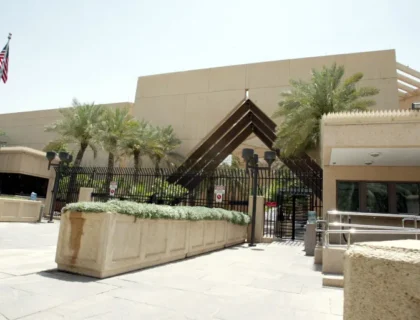
US Embassy in Riyadh Hit by Drones Amid Rising Regional Tensions
gisthub - Mar 03, 2026
Our Picks

Chargers’ Ben Cleveland Reaches Major Divorce Settlement Following DUI Case
gisthub - Mar 03, 2026Death Toll Climbs in Iran as New Leadership Defies Foreign Pressure
gisthub - Mar 03, 2026Sean ‘Diddy’ Combs Set for April 2028 Prison Release
gisthub - Mar 03, 2026
Most Popular





Leave a Comment