

ATM Usage Slumps as POS Agents Handle ₦223 Trillion in Transactions

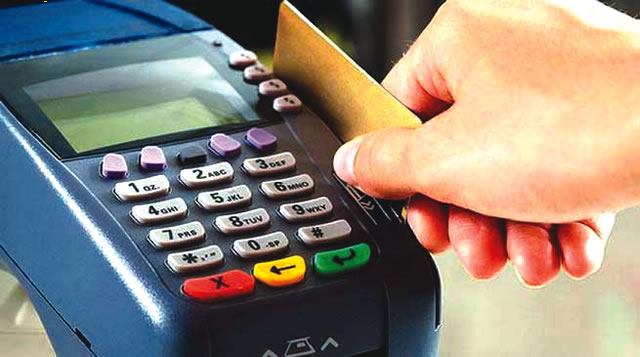
LAGOS — The value of transactions carried out via Point-of-Sale (POS) terminals in Nigeria surged to ₦223.27 trillion in 2024, according to data released by the Central Bank of Nigeria (CBN), representing a staggering increase of over 100 per cent from the ₦110.35 trillion recorded in 2023.
The figures, contained in the CBN’s quarterly statistical bulletin, highlight a continuing trend of migration away from Automated Teller Machines (ATMs) to more accessible POS terminals for everyday financial transactions.
According to the apex bank, POS transaction volume rose by 32.7 per cent year-on-year, from 9.85 billion in 2023 to 13.08 billion in 2024. In contrast, ATM usage remained largely flat, with only a marginal increase in volume from 1.012 billion to 1.022 billion transactions within the same period.
Steep Monthly Growth
Monthly data from the CBN indicates a consistent increase in the use of POS terminals throughout the year. In January 2024, transactions processed through POS stood at ₦11.50 trillion, more than double the ₦5.28 trillion recorded in January 2023. That growth trend continued steadily, with December 2024 posting a record ₦31.84 trillion, the highest monthly POS value ever recorded in the country.
ATM usage, however, showed signs of stagnation. The value of ATM withdrawals in 2024 was ₦29.12 trillion, up slightly from ₦28.21 trillion in 2023. Some months, such as October, even saw a drop in ATM withdrawal value, reflecting diminished reliance on the channel.
High Charges, Empty ATMs Spur POS Usage
The dramatic growth in POS usage came despite significant challenges, including high transaction charges and widespread reports of fraud. In December 2024, POS agents were reported to have increased charges by up to 100 per cent, with some collecting as much as ₦200 per ₦5,000 withdrawal.
Bank customers, already frustrated by empty ATMs and cash rationing, had little choice. Investigations by The PUNCH showed that many commercial banks turned customers away due to limited cash availability, even as queues stretched at POS stands across urban and rural locations.
The Central Bank had earlier warned banks to ensure cash availability and subsequently fined nine Deposit Money Banks a total of ₦1.35 billion for failing to comply with ATM cash dispensing guidelines during the peak festive season.
POS Fraud on the Rise
The rapid adoption of POS platforms has also led to a sharp increase in fraud cases. A report by the Financial Institutions Training Centre (FITC) revealed that POS-related fraud rose by 31.12 per cent in the first quarter of 2024 alone. From 2,683 cases in Q4 2023, the number jumped to 3,518 in Q1 2024 — accounting for nearly a third of all fraud incidents reported in Nigerian financial institutions during the period.
Regulatory Response
In response, the CBN rolled out stricter guidelines for POS operators and agent banking services. Under the new directive, individual customers can now withdraw a maximum of ₦100,000 per day from POS agents, while the cumulative daily limit for agents is capped at ₦1.2 million.
Agents are also required to operate solely through designated float accounts with their principal financial institutions, and all terminals must be linked to the Payment Terminal Service Aggregator (PTSA). The apex bank has mandated real-time reporting of daily transactions to the Nigerian Inter-Bank Settlement System (NIBSS), while monitoring Bank Verification Numbers (BVNs) to prevent misuse.
The CBN stated that violators of the directive would face strict penalties, including monetary fines and possible suspension of operating licenses.
Challenges Remain
Despite the regulatory clampdown, the demand for POS services continues to grow, driven by the need for convenience, limited ATM infrastructure, and the aggressive expansion of agency banking and fintech platforms like OPay, Moniepoint, and Kuda which now dominate over 70 per cent of the POS market.
The surge in POS usage underscores the growing appetite for digital financial services in Nigeria, even as the country grapples with concerns about affordability, reliability, and security.
As cashless policy enforcement intensifies, observers say the challenge for regulators will be to strike a balance between promoting financial inclusion and ensuring consumer protection in an increasingly digital economy.

You may be interested

Violent Clashes Erupt During Lahore High Court Bar Elections
gisthub - Mar 03, 2026A physical confrontation between legal professionals broke out within the Lahore High Court premises in Pakistan during the Bar Association’s electoral proceedings. The…
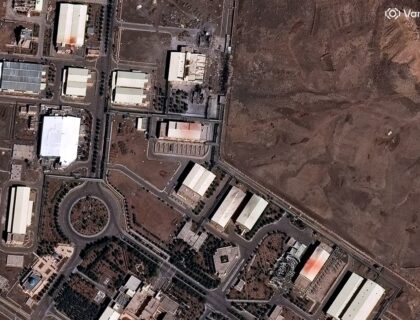
IAEA Confirms Strike Impact at Natanz Nuclear Complex
gisthub - Mar 03, 2026The International Atomic Energy Agency (IAEA) has verified that recent military strikes by American and Israeli forces caused structural damage to Iran's Natanz…

Flamengo Parts Ways with Filipe Luis Despite Dominant Semi-Final Victory
gisthub - Mar 03, 2026In a surprising move, Brazilian powerhouse Flamengo has dismissed head coach Filipe Luis shortly after a commanding 8-0 win over Madureira in the…
Most from this category

Death Toll Climbs in Iran as New Leadership Defies Foreign Pressure
gisthub - Mar 03, 2026
Sean ‘Diddy’ Combs Set for April 2028 Prison Release
gisthub - Mar 03, 2026
US Embassy in Riyadh Hit by Drones Amid Rising Regional Tensions
gisthub - Mar 03, 2026
Our Picks

Chargers’ Ben Cleveland Reaches Major Divorce Settlement Following DUI Case
gisthub - Mar 03, 2026Death Toll Climbs in Iran as New Leadership Defies Foreign Pressure
gisthub - Mar 03, 2026Sean ‘Diddy’ Combs Set for April 2028 Prison Release
gisthub - Mar 03, 2026
Most Popular





Leave a Comment