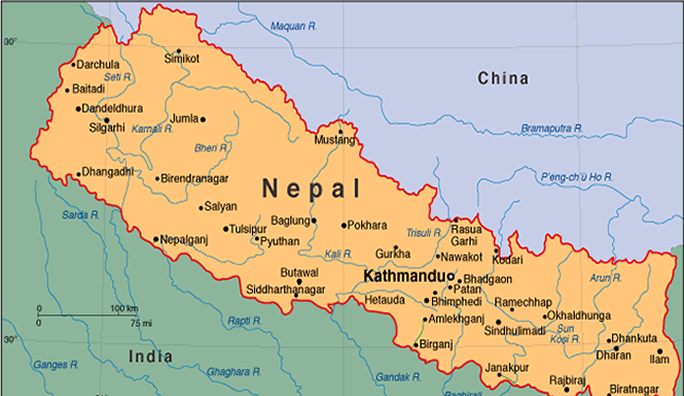
Thousands of young Nepalis marched through the streets of Kathmandu on Monday, demanding the government lift its ban on popular social media platforms and address what they described as entrenched corruption.
Since Friday, platforms including Facebook, YouTube, and X have been inaccessible in Nepal after authorities blocked 26 unregistered sites, sparking anger and confusion among millions who rely on them for entertainment, news, and business. Instagram is among the affected platforms, while TikTok remains accessible.
The demonstrators, many from Generation Z, waved national flags and opened their protest with the national anthem before chanting slogans against the ban and government corruption.
“We were triggered by the social media ban, but that is not the only reason we are gathered here,” said 24-year-old student Yujan Rajbhandari. “We are protesting against corruption that has been institutionalised in Nepal.”
Another protester, 20-year-old student Ikshama Tumrok, accused the government of adopting an “authoritarian attitude,” adding: “We want to see change. Others have endured this, but it has to end with our generation.”
The protest has been fuelled by viral TikTok clips contrasting the daily struggles of ordinary citizens with the lavish lifestyles of politicians’ children, showcasing luxury goods and expensive vacations.
“There have been movements abroad against corruption, and they (the government) are afraid that might happen here as well,” said protester Bhumika Bharati.
The cabinet announced last month that social media companies must register in Nepal within seven days, appoint local compliance officers, and set up grievance redress mechanisms, following a Supreme Court directive issued in 2023.
Defending its actions, the government said in a statement Sunday that it “respected freedom of thought and expression” but was committed to ensuring online platforms complied with local laws.
Nepal has previously imposed restrictions on digital platforms. Telegram was banned in July over fraud and money laundering concerns, while TikTok endured a nine-month suspension before agreeing to meet regulatory requirements last year.