



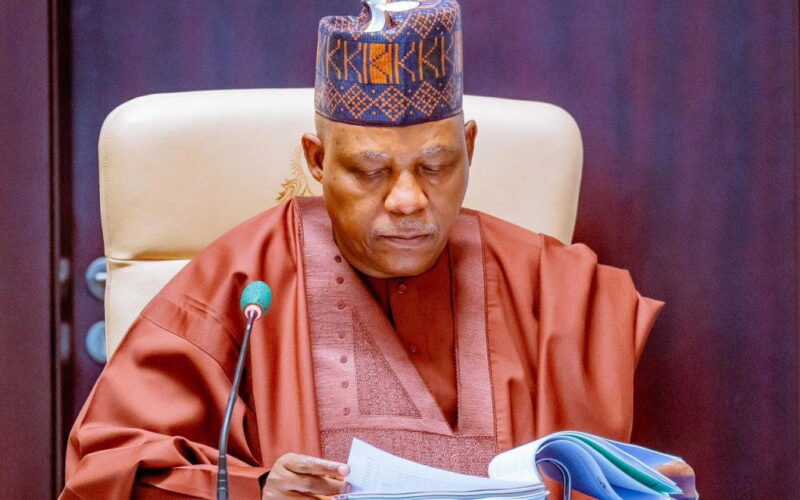
Vice President Kashim Shettima has advocated for immediate and significant investment in the health, education, and vocational sectors throughout northern Nigeria. Speaking at the Northern Nigeria Human Capital Development Summit in Abuja, which was organized by the Sir Ahmadu Bello Memorial Foundation and the Northern Nigeria Governors’ Forum, Shettima emphasized that the region has suffered disproportionately from human capital deficits.
Represented by Deputy Chief of Staff Ibrahim Hadejia, the Vice President noted that the North faces critical challenges, including high maternal mortality rates, insufficient school attendance, and a lack of opportunities for the youth. He asserted that while the region possesses vast talent and potential, it requires targeted efforts to convert these resources into genuine economic prosperity. He pointed to the federal government’s Human Capital Development 2.0 Strategy as a essential framework for these improvements.
Shettima placed the responsibility for progress directly on state leaders, reminding them that primary healthcare centers, schools, and essential service staff are under their jurisdiction. He noted that federal initiatives cannot succeed without active cooperation at the local level.
Governor Abdullahi Sule of Nasarawa State echoed these sentiments, identifying the Almajiri system, child marriage, and the high number of out-of-school children—estimated at 15 million in the North—as primary barriers to growth. He encouraged a collaborative effort between traditional rulers, religious leaders, and legislators to create sustainable solutions. Both speakers stressed that without significant funding and a shift in policy, the region’s socio-economic potential will remain stifled by poverty and insecurity.