




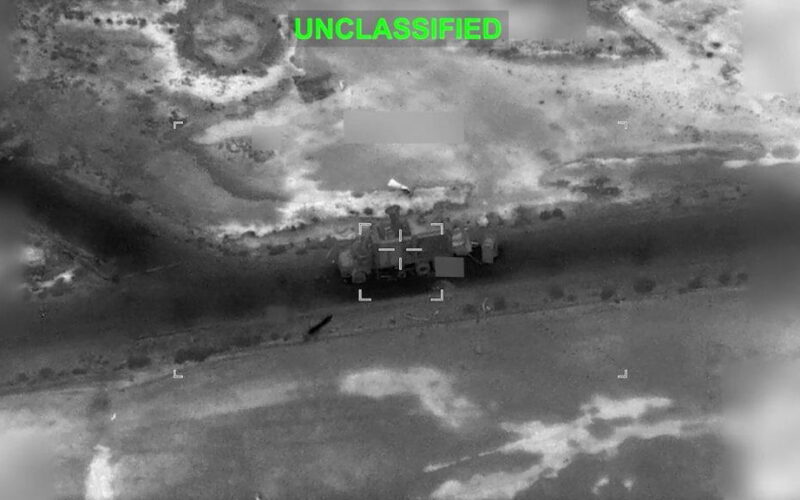
Recent military actions have escalated tensions between the United States and Iran, with Washington conducting new strikes and re-establishing a naval blockade on Iranian ports. The conflict, which has been ongoing for nearly a week, centers on control of the Strait of Hormuz, a critical maritime passage for global oil shipments. Following the collapse of a June peace agreement, both nations have resumed direct military engagement.
Tehran claims that American forces have targeted civilian infrastructure, including sites near Ahvaz, which led to a retaliatory Iranian missile campaign against US-allied nations in the Gulf. Officials in Qatar and Kuwait reported explosions and missile fire, while Bahrain confirmed an attack on an airbase hosting American military assets. A spokesperson for the Iranian armed forces warned that any further US strikes on Iranian infrastructure would result in retaliatory attacks against facilities throughout the entire region.
The current violence follows reports of approximately 30 deaths in Iran over the past week. While White House Press Secretary Karoline Leavitt stated that President Donald Trump intends to hold Iran responsible for violating previous agreements, she noted that the administration remains willing to pursue diplomatic solutions. Meanwhile, Iranian negotiators, including Mohammad Bagher Ghalibaf, maintain that the waterway will remain closed until the United States halts its military operations.