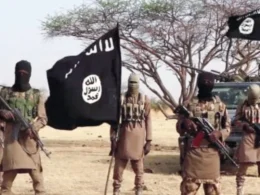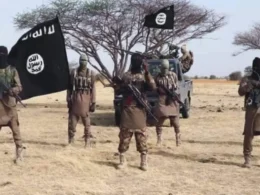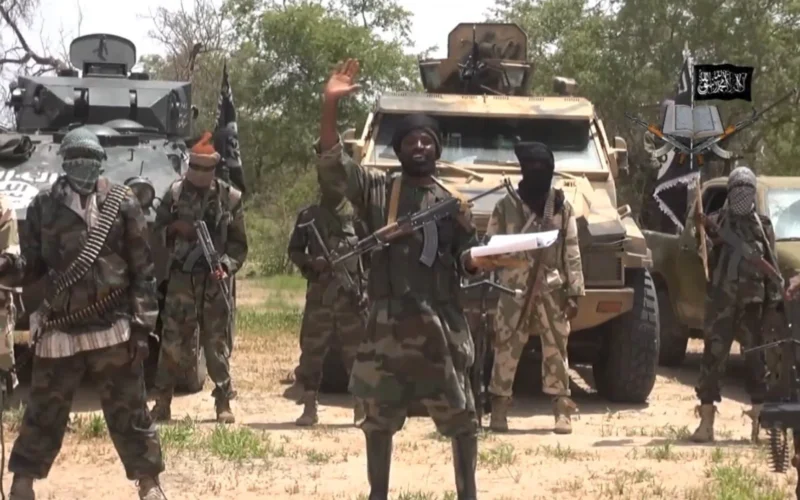
Persistent hostility between the Islamic State West Africa Province (ISWAP) and the Abubakar Shekau-led faction of Boko Haram, known as Jama’atu Ahlis Sunna Lidda’awati wal-Jihad (JAS), remains a central factor in the North-East Nigerian insurgency. Security expert Zagazola Makama recently detailed these ongoing frictions regarding territory, resources, and command.
This internal divide originated in 2016 following ideological and leadership disputes that caused ISWAP to splinter from the main Boko Haram body. Ever since, the groups have fought for control over vital areas near Lake Chad and the Sambisa Forest, frequently clashing over recruitment efforts and taxation networks.
The conflict reached a violent peak in May 2021 when ISWAP forces invaded the Sambisa Forest and surrounded Shekau. Rather than submit to his rivals, Shekau reportedly killed himself using an explosive device. Although many of his former fighters joined ISWAP after his death, other loyalists maintained independent operations within remote parts of the Mandara Mountains and the Sambisa Forest.
Recent intelligence indicates that the rivalry has flared up once again. Both factions are now battling for authority over food resources, movement routes, and the loyalty of remaining combatants. Experts suggest that consistent military pressure is driving both groups to fight harder for limited space and supplies, further fueling the cycle of internal violence.