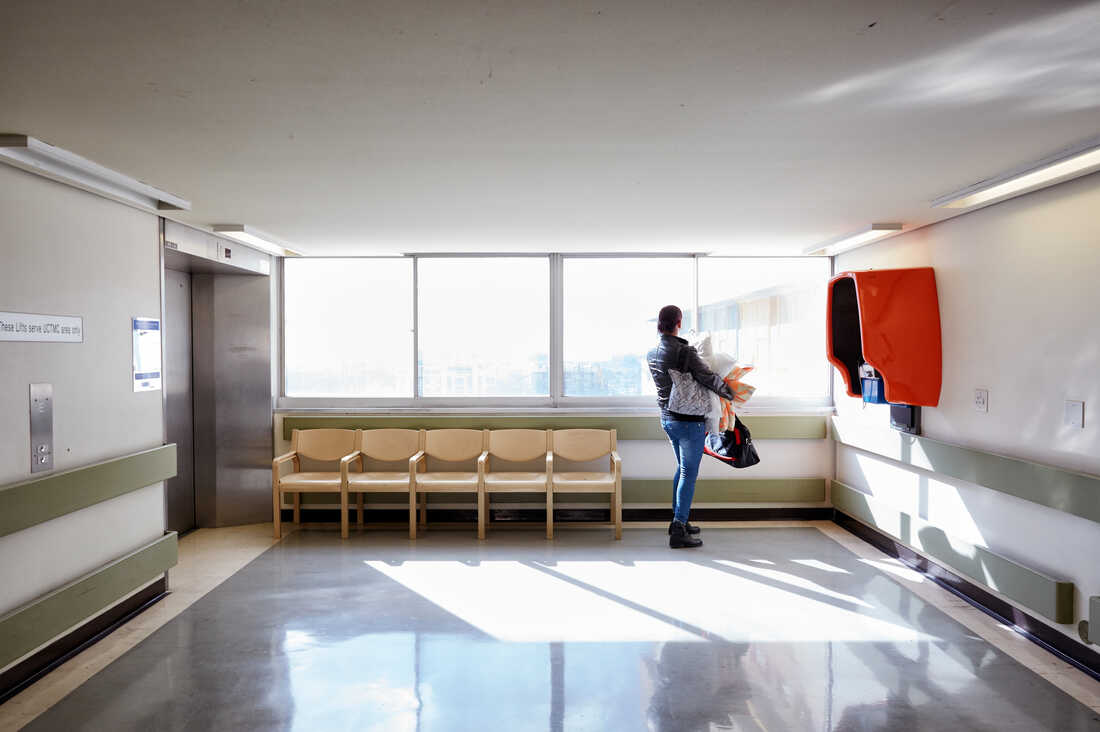
A clinic in Hillbrow, Johannesburg, that provides vital healthcare services to the transgender community is among the many facilities affected by the United States’ decision to suspend funding for several international programs.
The Wits Reproductive Health and HIV Institute’s transgender health programme, previously funded by USAID, has been forced to shut down some of its services as of Tuesday, January 28, 2025.
This follows a “stop order communication” issued for certain USAID-funded initiatives, according to Wits University’s Professor Shabir Madhi.
According to Professor Shabir Madhi, the directive called for an immediate halt to all programme activities, leaving both patients and staff in a state of uncertainty.
A transgender woman who visited the Hillbrow clinic on Tuesday afternoon recounted receiving an SMS instructing her to collect her hormone prescription before 4 p.m., as the clinic would no longer be able to offer services.
While she was able to obtain her prescription from a private institution, she expressed concern over the added financial strain of having to cover the costs herself.
The SMS sent to patients read in part: “Our donor, USAID, has served the Wits RHI key population programme a notice to pause programme implementation. As of close of business tomorrow [Tuesday] 28 January, we are unable to provide services until further notice.”
A clinic employee disclosed that around 1,800 patients and 24 staff members have been impacted by the closure. Healthcare professionals, including doctors, nurses, and data capturers involved in the programme, now face uncertainty regarding their salaries and job security.
Dr. Angelique Coetzee, a healthcare expert, emphasized the need for South Africa to decrease its dependence on foreign aid to establish a more sustainable healthcare system.
“People should be worried. There is an impact on patient care and livelihoods. Doctors, nurses, and data capturers that are integrated into our clinics and hospitals will now be stranded and will not know where to get their salaries going forward,” Dr. Coetzee said.
A clinic employee disclosed that around 1,800 patients and 24 staff members have been impacted by the closure. Healthcare professionals, including doctors, nurses, and data capturers involved in the programme, now face uncertainty regarding their salaries and job security.
Dr. Angelique Coetzee, a healthcare expert, emphasized the need for South Africa to decrease its dependence on foreign aid to establish a more sustainable healthcare system.