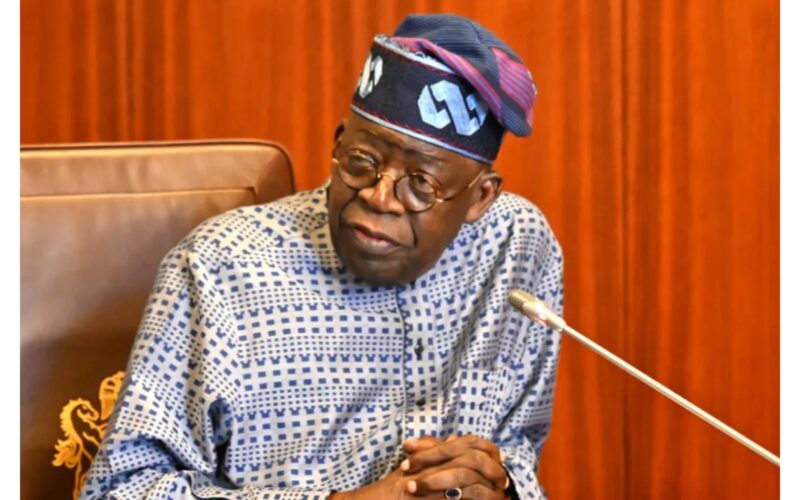
Citizens and consumer advocates are strongly opposing rumors of a phased increase in electricity tariffs across Nigeria. This pushback follows the administration of President Bola Ahmed Tinubu failing to resolve long-standing energy shortages, despite campaign pledges to fix the sector. While the presidency has publicly played down reports of an imminent hike, many citizens remain skeptical given the government’s previous implementation of a 300 percent rate increase for Band A customers in April 2024.
Critics point out that power generation continues to stagnate between 3,500 and 4,500 megawatts, which is insufficient for a population exceeding 200 million. Consumers are particularly frustrated by unreliable supply, the lack of infrastructure investment by distribution companies (DisCos), and the common practice where residents must pay for their own transformers. National President of the Nigeria Consumer Protection Network, Kunle Olubiyo, argued that the current privatization model is fundamentally broken. He highlighted issues such as systemic leakages, poor accountability, and a lack of data-driven metering that invite financial corruption. Olubiyo suggested the government should apply the same bold reform strategies used in the foreign exchange and petroleum sectors to the electricity market instead of continuing failed subsidy models.
Princewill Okorie, head of the Electricity Consumer Protection Advocacy Centre, echoed these concerns, warning that higher tariffs will only worsen the economic struggles of Nigerians. He demanded a full audit of investments made by DisCos and an accounting of funds provided by international donors like the World Bank and GIZ. Okorie further criticized the government for excluding consumer representatives from high-level power sector committees, arguing that those who pay for the services deserve a voice in policy decisions.