



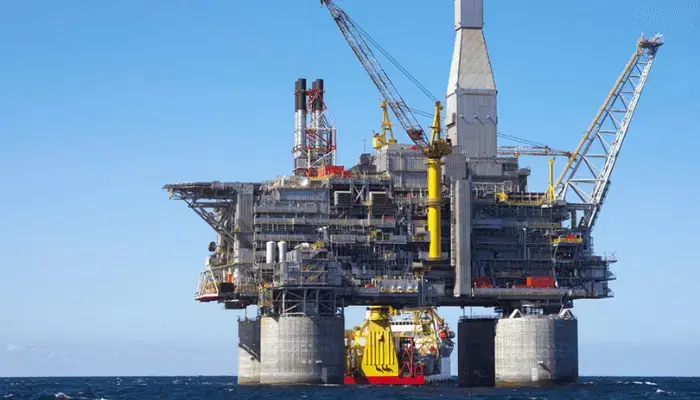
Data from the Nigerian Upstream Petroleum Regulatory Commission (NUPRC) indicates that Nigeria’s oil output fell by four percent in July 2026, dropping to 1.67 million barrels per day (mbpd) from June’s 1.74mbpd. This total comprises 1.505mbpd of crude oil and 0.17mbpd of condensate. Despite the decrease, the country has now remained above its OPEC quota of 1.5mbpd for three straight months.
Operational issues at the Erha and Akpo fields were cited as the primary reasons for the July downturn, causing a temporary reduction in national figures. Throughout the month, daily production fluctuated between a high of 1.78mbpd and a low of 1.57mbpd. Most other oil assets continued to function steadily as operators worked to manage the impact of these constraints.
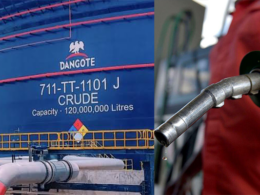
In related policy news, the Federal Government is evaluating revisions to crude oil pricing and supply regulations. These potential updates to the Domestic Crude Supply Obligation (DCSO) aim to improve feedstock access for local facilities, such as the 650,000-barrel-per-day Dangote Refinery. Eche Idoko, speaking for the Crude Oil Refinery-owners Association of Nigeria (CORAN), noted that upcoming reviews could allow refineries to procure crude directly from producers.
Regarding retail fuel prices, the Mid-Day Price Report from Petroleumprice.ng observed slight price decreases for petrol across several depots in Lagos, Calabar, and Warri as of August 12, 2026. Conversely, diesel prices rose in specific locations in Lagos and Port Harcourt. At the Dangote Depot in Lagos, petrol prices saw a modest reduction of N9, falling to N1,172 per litre.