The Kebbi State Police Command has initiated a large-scale security operation following a series of brutal attacks on several villages in the Shanga Local Government Area.
The coordinated assaults, which occurred earlier this week, resulted in at least 44 fatalities and forced numerous residents to flee their homes.
Targeted Communities and Scale of Violence
The attacks struck multiple settlements across the Shanga district, exploiting the region’s difficult wetland terrain. The affected communities include:
-
Gebe, Kalkami, and Kawara
-
Kasoshi, Awaye, and Tungar Rini
-
Binuwa and Dabe
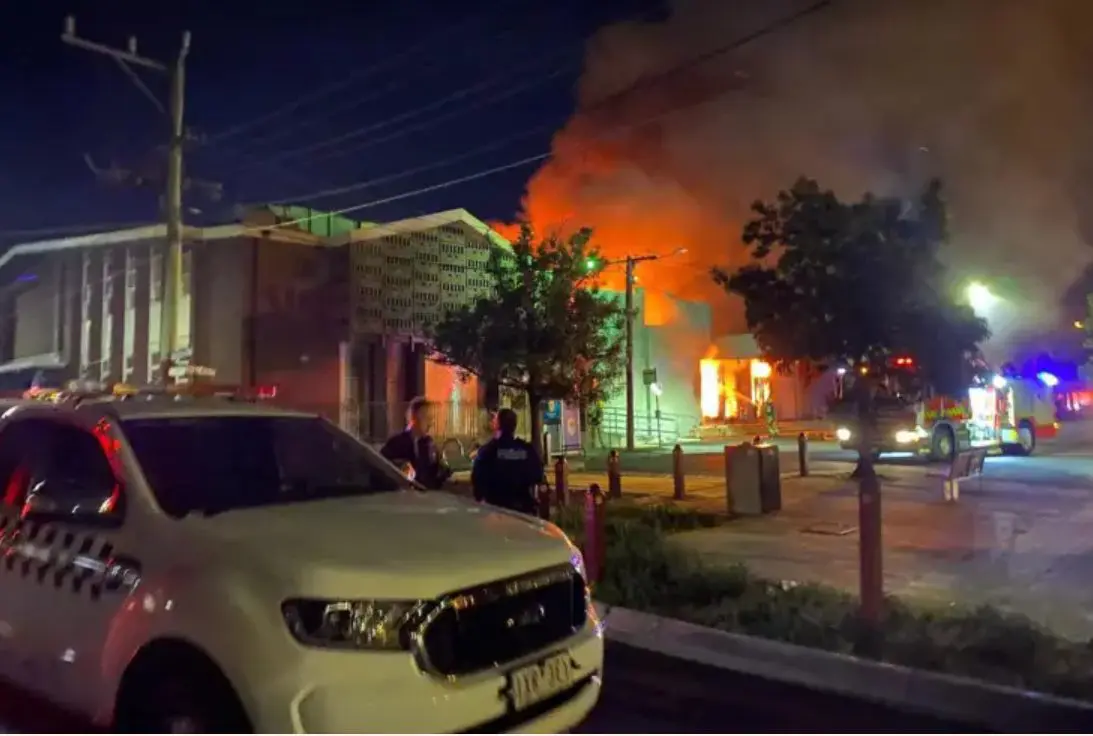
Witnesses reported that armed groups, identified by some sources as members of a new extremist faction known as “Mamudawa,” stormed the villages at night, setting fire to homes and shooting residents.
The violence has caused a significant humanitarian crisis, with survivors seeking refuge in nearby forests and on Gungu Island.
The Security Response: “Operation Clearance”
In a direct response ordered by the Inspector-General of Police, Olatunji Disu, the Kebbi State Police Command has deployed massive reinforcements to high-risk corridors.
-
Geographic Focus: Security forces are targeting dense forests, border communities, and farmlands—areas frequently used as hideouts and supply routes by bandits.
-
Early Successes: SP Bashir Usman, the command’s spokesperson, confirmed that patrols along the Illo–Kamba axis have already resulted in the recovery of two AK-47 rifles.
-
Joint Task Force: The offensive involves a collaborative effort between Police Tactical Units, the Military, Marine Police, and local vigilantes to restore stability.
Call for Community Vigilance
The Commissioner of Police, Umar Hadejia, has urged the public to act as “eyes and ears” for the security agencies.
He emphasized that traditional rulers, religious leaders, and youth groups are critical to gathering the intelligence needed to dismantle criminal networks.
Context of the Conflict
This latest tragedy underscores the persistent insecurity in North-West Nigeria, where rural communities remain vulnerable to mass killings, kidnappings, and cattle rustling.
The Shanga LGA is particularly high-risk due to its proximity to the Wawa Forest and the borders of Niger State, which bandits often traverse to evade capture.
Authorities insist that maintaining the current operational tempo is essential to preventing further raids on these “soft targets.”