



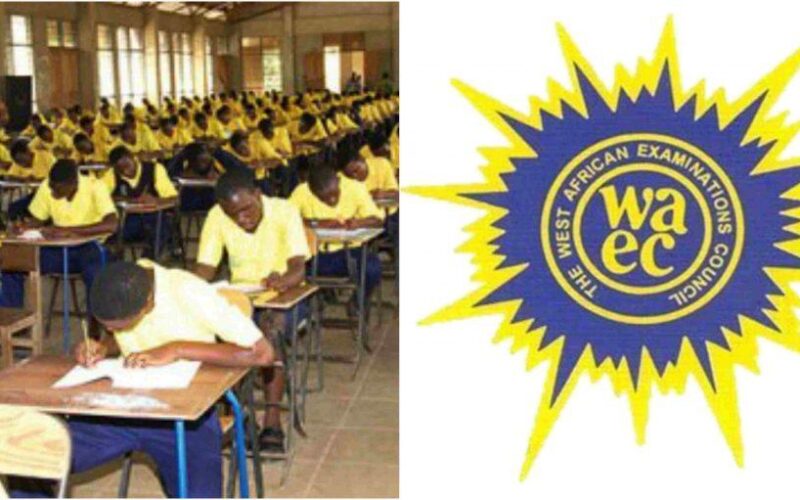
Two recent headlines have highlighted the growing disconnect between Nigeria’s leadership and its citizens. The first involves the federal government’s attempt to hike WAEC and NECO registration fees by 82 percent, a plan later abandoned after widespread public outcry. The second concerns a court-ordered forfeiture of N212 billion in assets allegedly linked to former Attorney-General Abubakar Malami.
Though appearing distinct, both situations reveal a profound lack of moral sensitivity in governance. While parents struggle with daily survival, the government initially proposed raising exam costs—a vital gateway for young Nigerians—without consulting stakeholders or assessing the financial burden on families. Even with the reversal, the fact that such a policy reached the announcement stage suggests a failure in the government’s planning process and a recurring trend of ill-conceived initiatives.
Education is a public good, yet WAEC and NECO operate as massive revenue-generating entities that collect billions of naira annually from families. Charging high fees for these exams encourages malpractice and undermines a merit-based system. The government must move beyond mere policy reversals and ensure transparency in how these examination bodies manage their significant annual revenues.
Meanwhile, the allegations against Abubakar Malami present a stark contrast in public service ethics. The scale of the N212 billion in forfeited assets is impossible to justify through legitimate public salary or professional service. This situation raises urgent questions about wealth accumulation among officials and the lack of systemic oversight. If these assets are proven to be illicitly acquired, they represent the same moral failing as taxing poor students to balance the budget.
Ultimately, justice for the average citizen requires a change in perspective. If the state manages to recover these vast sums, the funds should be prioritized to subsidize education costs for low-income families. Future asset recoveries should similarly be redirected into public services, serving as a tangible way to restore the integrity of the state and support the next generation.