



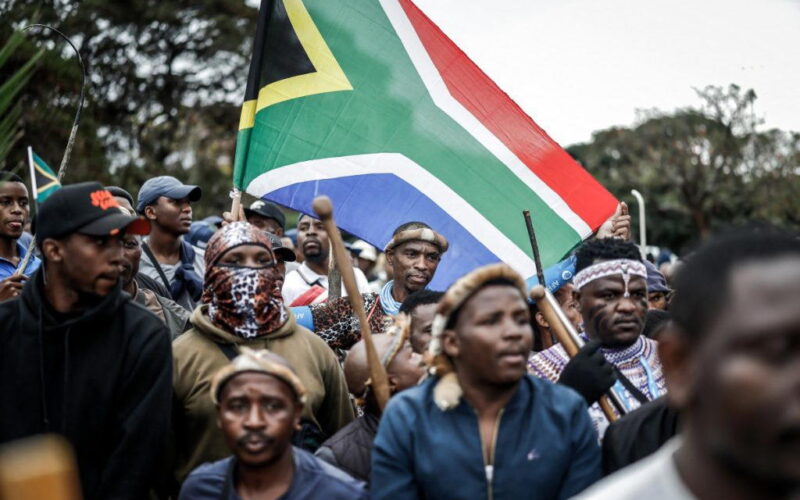
South African authorities increased security nationwide on June 30, 2026, to counter xenophobic unrest and prevent potential violence. Citizen-led organizations had established an unofficial deadline for undocumented foreign nationals to exit the country, leading to widespread fear and mass departures.
These protests are orchestrated by a coalition of small political factions and vigilante groups, sometimes involving individuals wearing traditional Zulu clothing. Their rhetoric blames migrants for high crime rates and limited employment opportunities, targeting populations already suffering from economic instability. Political analyst Sandile Swana characterized this trend as opportunistic, noting that it channels frustrations away from the root causes of the nation’s economic struggles.
Economic distress, specifically an unemployment rate nearing 33 percent, serves as a catalyst for these tensions. Statistics indicate roughly three million immigrants live in South Africa, many arriving from neighboring nations plagued by their own crises. While the official stance focuses on reinforcing borders, the current wave of intimidation has forced individuals to flee their homes or workplaces.
International involvement has become unprecedented. Nations including Kenya, Uganda, and the Democratic Republic of Congo have initiated voluntary repatriation programs. The Border Management Authority confirmed that approximately 25,000 individuals have been repatriated recently, with thousands more seeking refuge in temporary camps. This current situation marks a departure from historical xenophobic outbreaks, such as those in 2008 and 2019, due to the high level of organized government intervention to remove their citizens safely.