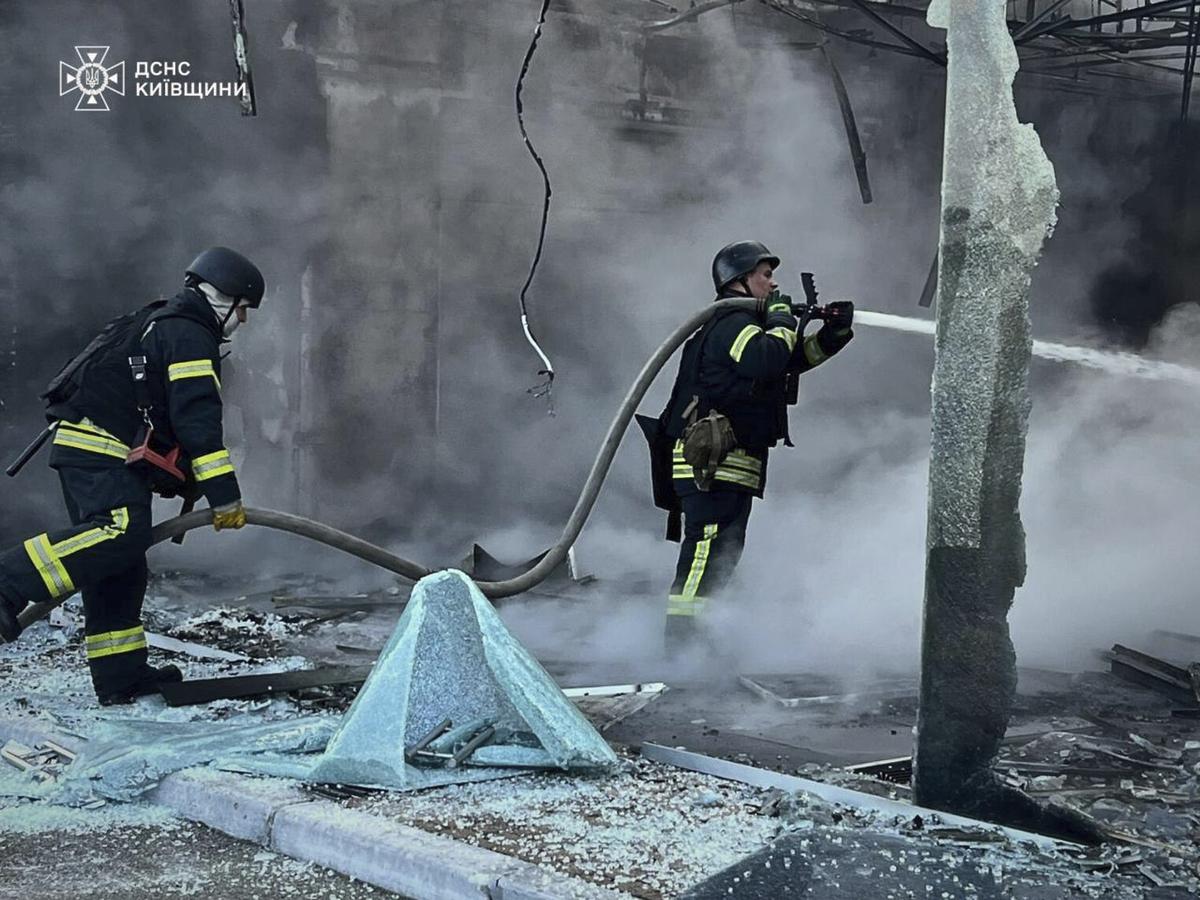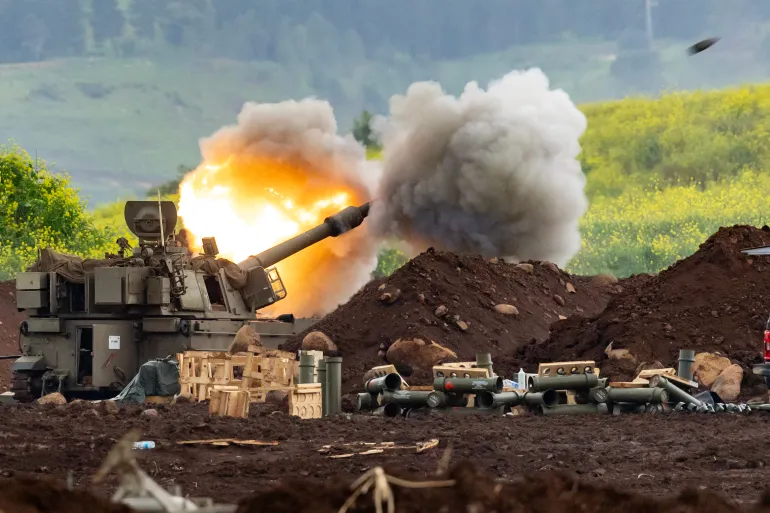
The conflict between Israel and Iran reached a new peak of intensity on Thursday, March 26, 2026, as Israel launched a massive wave of airstrikes targeting Iranian infrastructure, including key sites in the city of Isfahan.
This bombardment follows nearly four weeks of war and was met with a retaliatory Iranian missile barrage that triggered air raid sirens across Tel Aviv and Jerusalem.
While the military exchange escalated, U.S. President Donald Trump suggested that Tehran is privately eager for a ceasefire but remains publicly defiant out of fear of internal and external repercussions.
The diplomatic landscape remains fractured, with Iranian Foreign Minister Abbas Araghchi categorically dismissing Trump’s claims of ongoing negotiations.
While Pakistan has attempted to mediate by presenting a 15-point American peace plan—covering nuclear programs and maritime security—Tehran reportedly rejected the proposal, offering its own five conditions that include war reparations and guarantees against future aggression.
Meanwhile, the White House has maintained a dual-track approach, with officials stating that while they are open to a deal, they are prepared to escalate military pressure if a resolution is not reached significantly.
The regional fallout continues to expand, severely impacting global energy markets as Iran maintains its blockade of the vital Strait of Hormuz.
Neighboring Gulf nations, including Saudi Arabia, the UAE, and Kuwait, reported intercepting various drone and missile attacks, while Hezbollah intensified its strikes from Lebanon, prompting Israel to expand its “security buffer zone” in the north.
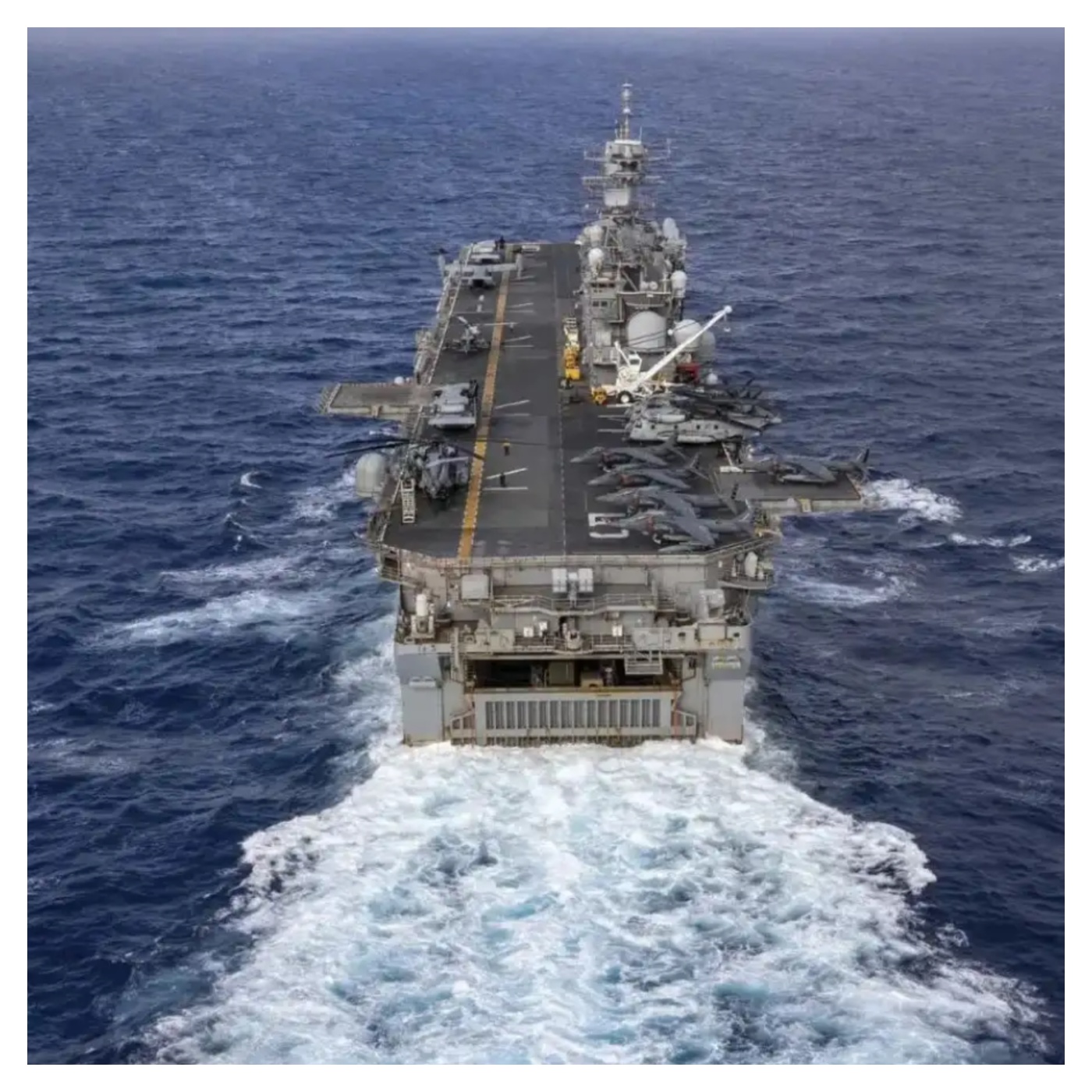
As thousands of additional U.S. troops reportedly head to the region and Iran threatens to block the Bab el-Mandeb Strait in the event of a ground invasion, international leaders continue to call for an immediate cessation of hostilities to prevent a total global economic collapse.