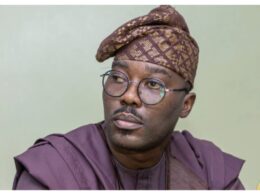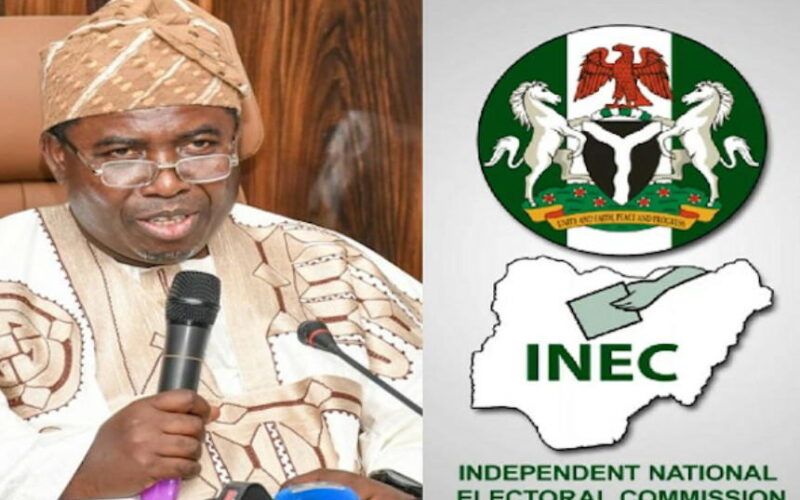
The Independent National Electoral Commission (INEC) has confirmed that it has yet to receive its budgetary allocation for the 2027 general elections. Malam Mohammed Haruna, the National Commissioner for Voter Education and Publicity, shared this update during an interactive session in Abuja hosted by the Peering Advocacy and Advancement Centre in Africa (PAACA) and Legis360.
Haruna noted that while funding remains pending, preparation efforts for 2027 are moving forward. The commission has proposed a budget of N873.78 billion, which includes provisions for technology, operational costs, and capital projects. Under the Electoral Act of 2026, the commission is legally required to receive these funds no later than six months before the election date, meaning the current timeline remains compliant with existing laws.
The commission is currently prioritizing the procurement of new election technology, including Bimodal Voter Accreditation System (BVAS) units to replace devices lost or damaged in prior cycles. Plans are also underway to hold mock presidential elections to test infrastructure and prevent technical failures similar to those that impacted the IReV portal in 2023. Regarding the cost of elections, Haruna argued that the budget is reasonable when adjusted for the number of voters, noting that the reliance on imported hardware and fluctuating exchange rates drives up expenses.
Furthermore, Haruna addressed concerns about last-minute court orders, which he described as a significant operational burden. He confirmed that a recent data breach incident involving a staff member was handled with disciplinary action, including suspension and a formal report to the Nigeria Data Protection Commission. Reflecting on the Ekiti gubernatorial election, he reported that BVAS devices performed well with a 98 per cent success rate, though he voiced concern over persistent issues with vote buying.
Ezenwa Nwagwu, the Executive Director of PAACA, emphasized that the government must release funds early to avoid the hazards of rushed planning. He warned that late funding creates an environment prone to corruption and logistical instability. Nwagwu urged the public and civil society groups to support INEC in obtaining necessary resources rather than exclusively blaming the electoral body for challenges often influenced by political actors and judicial inconsistencies.