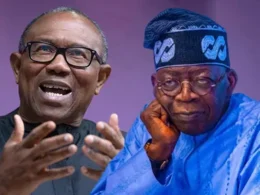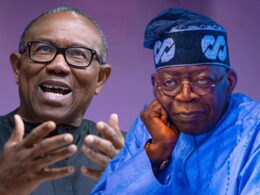





Political maneuvering is often defined less by specific events and more by when they occur. A document may exist for weeks, yet gain immense significance when released at a calculated moment. This dynamic captures the recent intersection of President Bola Tinubu, former Vice President Atiku Abubakar, and the administration of Donald Trump.
Reports recently indicated that lobbyists for Atiku were working in Washington to highlight long-standing American civil forfeiture records involving Tinubu. While the ultimate success of such lobbying is debatable, the clear intent is to maintain a negative narrative that has persisted since the 2023 election cycle. Shortly after these reports emerged, a letter from Donald Trump praising the Tinubu administration for its security efforts and stressing Nigeria’s importance to U.S. strategy arrived. Political observers see this timing as highly intentional.
Using Washington as a political tool is not new for Nigerian politicians. Before the 2015 election, the All Progressives Congress (APC) invested heavily in building ties with the Obama administration. At the time, relations between Abuja and Washington were strained over the handling of the Boko Haram conflict and domestic social laws. The APC recognized that shaping international perceptions could bolster their image, much as their rivals are currently attempting to do against the current administration.
The Tinubu camp uses the letter to project international legitimacy, while the opposition argues that diplomatic praise cannot obscure past controversies. Ultimately, these maneuvers are elite contests that carry little weight for the average Nigerian struggling with economic hardship. Foreign endorsements are secondary to domestic reality. Whether the government succeeds depends on tangible improvements in security and the economy. History shows that Nigerian voters prioritize their own quality of life over the approval of foreign powers. In the final analysis, the most significant endorsement is the performance-based verdict of the electorate, not a letter from an overseas leader.