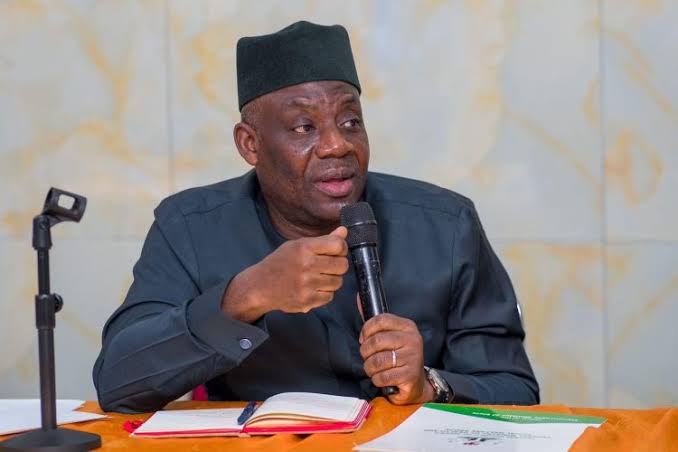
Nigeria’s Minister of Education, Dr. Tunji Alausa, has thrown his weight behind a new policy mandating compulsory and random drug integrity tests for students in tertiary institutions nationwide a bold step in the federal government’s battle against youth drug abuse.
The move comes in the wake of a high-level meeting held Wednesday in Abuja between Dr. Alausa and the Chairman of the National Drug Law Enforcement Agency (NDLEA), Brig. Gen. Buba Marwa (retd), where both leaders agreed on sweeping reforms targeting substance abuse in schools.
According to a statement by NDLEA spokesman Femi Babafemi, the plan includes a three-pronged strategy proposed by Marwa: revision of drug education content across school levels, launch of stand-alone prevention programmes in secondary schools, and mandatory drug tests for all fresh and returning students in higher institutions with provisions for random testing throughout the academic calendar.
Marwa warned that the growing drug crisis poses a “clear and present danger” to national security, youth development, and the education system. “We are fighting for the souls of our children,” he said, linking drug abuse to rising incidents of terrorism, cultism, and violent crime.
Over the past two years, the NDLEA has arrested more than 40,000 drug offenders and seized over 5,500 metric tonnes of illicit substances a grim statistic that underscores the scope of the problem.
Responding to the NDLEA’s proposals, Alausa echoed the urgency:
“When youths get into drugs, they won’t go to school. Even when they go, they’re not getting a functional education. Their critical thinking is impaired, and they become unemployable. That creates a vicious cycle. We have no choice but to act.”
He confirmed that drug testing would begin in tertiary institutions as a matter of policy and public interest. “We will do it. At least we’ll start with tertiary institutions for their fresh and returning students, and also random testing,” he stated.
In addition to enforcement, the education ministry will now establish a Substance Use Prevention Unit and accelerate the review of the secondary school curriculum to incorporate drug education, with plans to extend similar reforms to the primary level.
Alausa also proposed the formation of an inter-ministerial technical working group between his ministry and the NDLEA, and pledged support for the NDLEA Academy in Jos, working through agencies like the Universal Basic Education Commission (UBEC) and TETFund.
As Nigeria grapples with an escalating youth drug epidemic, the government’s renewed focus on education and early prevention may well become a defining front in the fight for a healthier, safer future.