



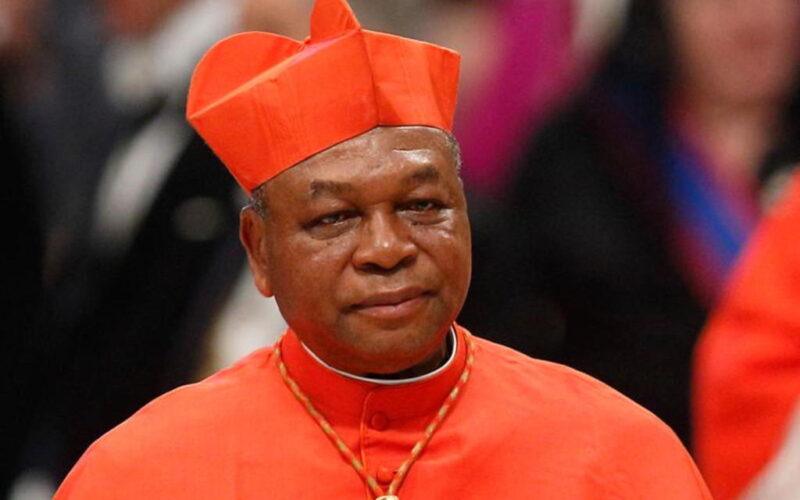
The recent interaction between President Bola Ahmed Tinubu and the Catholic Bishops’ Conference of Nigeria (CBCN), followed by public remarks from Cardinal John Onaiyekan, has sparked a wide-ranging debate among Nigerian political figures and analysts. While many observers affirm the right of religious leaders to address national challenges, others suggest that such high-level meetings demand a degree of discretion.
Afenifere official Apagun Kole Omololu defended President Tinubu, highlighting his attendance at the inauguration of Pope Leo XIV as a sign of his commitment to religious harmony. He emphasized that while the Church is obligated to speak truth to power, such commentary should remain objective and free from political bias. Supporting this view, Bakkita Bello stated that the President must engage with various stakeholders to foster good governance. He questioned the focus on confidentiality, noting that the bishops represent millions of citizens and were discussing public concerns, not classified state intelligence.
Senator Femi Okurounmu maintained that the President is a public figure whose actions are inherently subject to scrutiny. He argued that the administration should avoid reactive, aggressive responses to criticism. Similarly, analyst Ayo Fadaka urged the presidential media team to adopt a more nuanced communication strategy, drawing parallels to how religious leaders acted as a societal conscience during past military regimes.
Some analysts offered a different perspective. Otunba Tayo Onayemi suggested that while the Cardinal is free to express opinions, religious leaders should balance their critiques with tangible social contributions. Nelson Ekujumi and APC chieftain Seye Oladejo argued that the Cardinal’s public disclosure of private meeting details was inappropriate. They also defended the government’s economic reforms, asserting that the current administration is addressing structural challenges inherited from previous years. The discourse continues to highlight the tension between the role of religious institutions in governance and the need for diplomatic engagement.