A collective of five human rights advocacy organizations has formally requested that the National Assembly and the Nigerian federal government scrap the Foreign Aids (Regulation, Transparency and Disclosure) Bill, 2026. The groups involved include the Nigerian Human Rights Defenders Network, Partnership for Justice, Front Line Defenders, West African Human Rights Defenders Network, and Protection International.
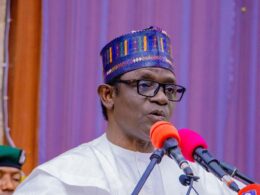
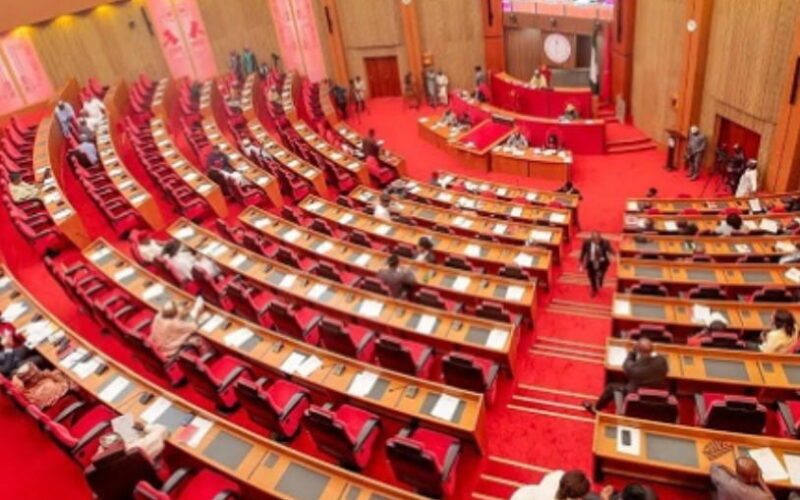
Senator Ibrahim Hassan Dankwambo, representing Gombe North, introduced the bill, which reached its second reading in the Senate this past July. The legislation aims to create a Foreign Aid Regulatory Commission tasked with overseeing, auditing, and potentially shuttering non-profits that rely on international funding or technical aid. Critics contend that this framework grants the government excessive authority to interfere with independent civic operations.
The organizations argue that the bill conflicts with Nigeria’s international commitments, specifically those made during the Universal Periodic Review. They also pointed out that such restrictive measures could jeopardize Nigeria’s bid for a seat on the UN Human Rights Council for the 2027-2029 term. Specific concerns were raised regarding Section 6(1), which mandates the registration of funds within 30 days, as this could impede urgent humanitarian and legal support efforts. Furthermore, the mandatory disclosure of partners and activities under Sections 7 and 8 could endanger individuals working on sensitive human rights cases.
The coalition suggests that the proposed commission’s duties overlap significantly with existing bodies like the Corporate Affairs Commission and the Nigerian Financial Intelligence Unit. They are demanding the total withdrawal of the bill, urging legislators to instead pursue collaborative frameworks that prioritize the protection of civic space and the security of human rights defenders.