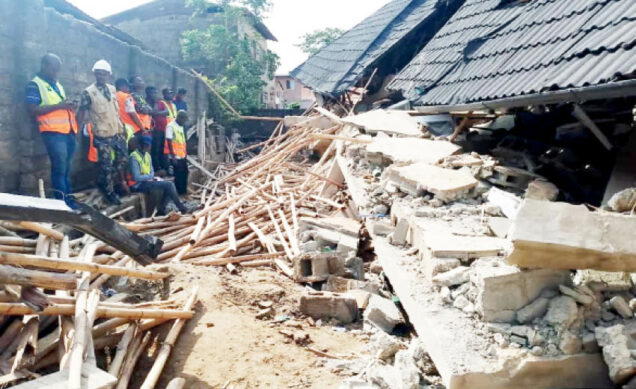
Between January 2020 and June 2026, Nigeria saw numerous building failures that resulted in hundreds of deaths and widespread injuries. Federal data indicates that since 1974, over 650 incidents have claimed more than 1,600 lives. Lagos stands out as a high-risk area, accounting for over 50 percent of these events due to rapid urbanization and recurring floods. Recent tragedies involving residential and commercial buildings often occur during rainy seasons, highlighting a systemic failure in construction quality and regulatory oversight.
The root cause is a significant decline in building standards. Many block manufacturers produce inferior products using minimal cement, which, when paired with unprofessional labor and cost-cutting measures, creates structures unable to withstand environmental stress. Although agencies like the Standards Organisation of Nigeria (SON) exist to monitor these practices, enforcement remains weak due to insufficient funding, corruption, and a lack of accountability for developers.
To mitigate this crisis, authorities must implement stricter liability laws that hold manufacturers, suppliers, and professionals criminally accountable for negligence. Furthermore, the government should shift toward rigorous, on-site inspection protocols at every phase of construction. Professional bodies such as COREN and ARCON must also take a stronger stance on disciplining members who bypass safety regulations. Ultimately, the survival of future structures depends on the political commitment to enforce existing laws and prioritize public safety over profit.