



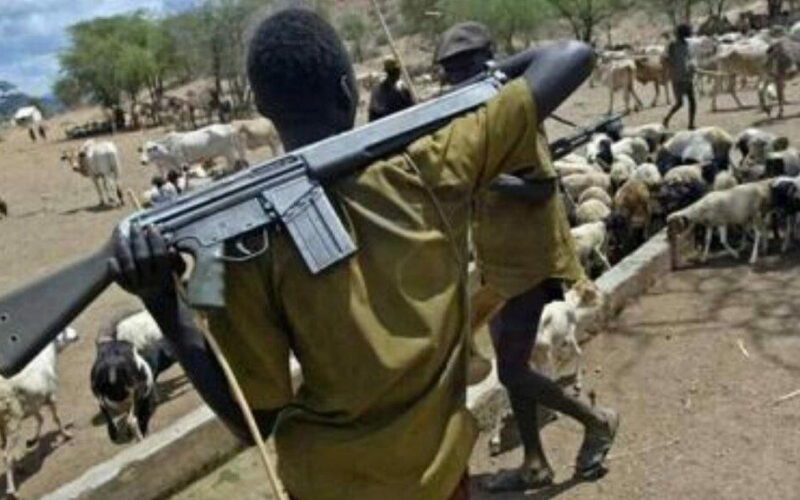
The persistent insecurity across Nigeria caused by armed Fulani militias is pushing the country to a breaking point. These groups engage in kidnapping, sexual violence, and homicide, contributing to Nigeria’s status as one of the world’s most dangerous nations. With over 250 ethnic groups in the country, the ongoing impunity of this specific minority is stoking deep resentment and threatening national unity.
While many Fulani citizens lead peaceful lives, the criminal actions of a violent minority are tarnishing the reputation of the entire ethnic group. Victims are increasingly viewing all Fulani as a security risk, leading to incidents of social exclusion, such as transport companies denying boarding to individuals based on their ethnicity. Leaders including the Sultan of Sokoto, Muhammadu Sanusi II, and various political figures possess the influence required to intervene and curb these atrocities. Historical precedents, such as Sanusi’s diplomatic efforts in Ghana and Sheikh Ahmad Gumi’s mediation history, suggest that internal pressure could effectively halt the violence.
The silence of northern sociocultural organizations like the Arewa Consultative Forum and the Northern Elders’ Forum is detrimental. Unlike other groups that have managed their own internal radical elements, the lack of condemnation from Fulani leadership is fostering a climate of suspicion. The Global Terrorism Index and recent reports from the Observatory for Religious Freedom in Africa underscore the severity of the crisis, indicating that Fulani extremist violence has surpassed that of groups like Boko Haram in terms of lethality.
Ultimately, if the current trajectory continues, citizens will increasingly turn to self-defense, potentially leading to widespread conflict. Nigeria is a secular entity belonging to all its people. If influential leaders fail to collaborate with the government to end these massacres, the foundation of the country will continue to erode, potentially necessitating a dialogue regarding the peaceful dissolution of the nation to prevent further loss of life.