



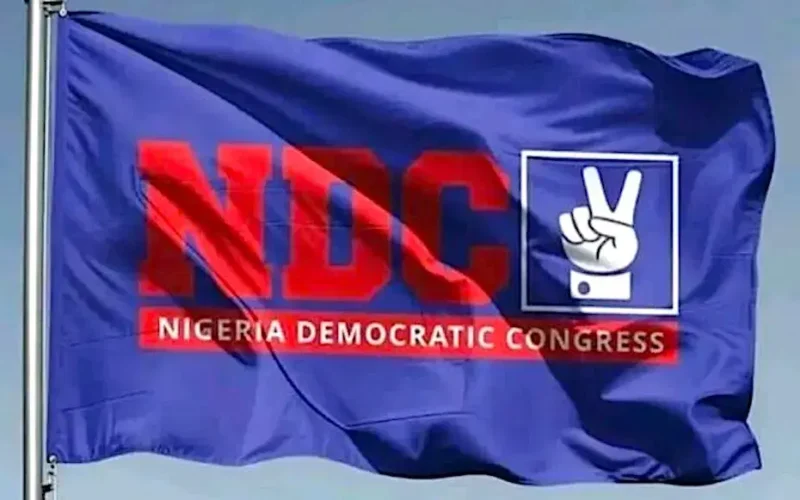
With the 2027 general elections approaching, political organizations are under pressure to fortify their internal frameworks and demonstrate stability. In Abia State, the Nigeria Democratic Congress (NDC) is facing internal scrutiny regarding its candidate selection processes, with members questioning the commitment to equity and fair representation.
A specific flashpoint involves the Arochukwu axis in the Abia North Senatorial District. Members report that both the House of Representatives and the State House of Assembly tickets were assigned to candidates from the Atani community. Critics emphasize that this bypassed the presumed winner of the party primary for the state constituency—an aspirant from the Ututu clan—which has allegedly never held the seat. This decision has sparked concerns that the party is failing to honor traditional political rotation, leading to a sense of exclusion among dedicated stakeholders.
Observers suggest that these grievances reflect a broader struggle for inclusivity within the party. When elective positions are clustered within one community, there is a risk of alienating supporters elsewhere, which can erode the grassroots enthusiasm needed for electoral success. Many party members advocate for proactive dialogue and transparent reconciliation to address these feelings of marginalization. They argue that such steps would not be acts of rebellion, but rather constructive efforts to enhance the party’s cohesion and competitive standing.
The central question for the NDC leadership remains whether its current strategies reflect a genuine commitment to justice and internal democracy. As the party prepares for 2027, the ability to resolve these internal disputes through fairness and accountability will likely define its capacity to present a unified front. By fostering an environment where every member feels valued, the NDC may secure the unity required to effectively challenge for power in the upcoming election cycle.