



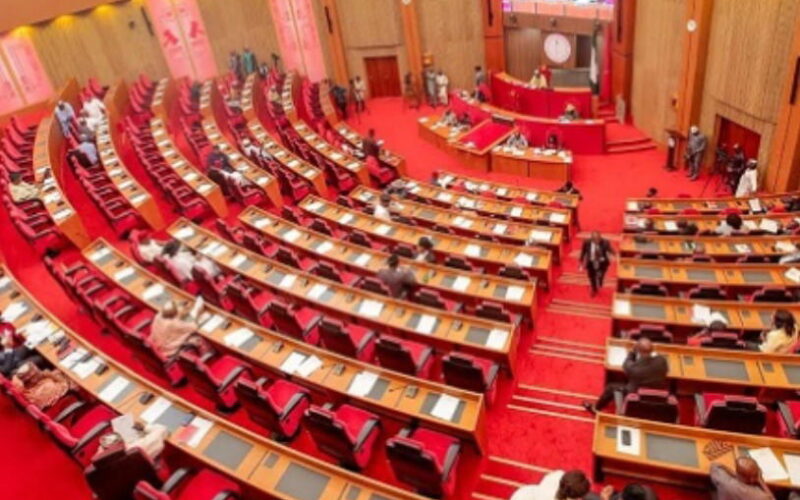
The 10th National Assembly recently commemorated three years in office, balancing internal satisfaction with critical public evaluation during its ‘Open Week’ event. Hon. Francis Waive, Chairman of the House Committee on Rules and Business, reported that 2,747 bills have been introduced since June 2023, with 363 successfully passed. Key legislative achievements include the 2026 Appropriation Act, the Electoral Act, and new minimum wage regulations.
Despite the high volume of legislative activity, industry observers and former lawmakers have urged the Assembly to prioritize substance over statistics. Former Speaker Femi Gbajabiamila emphasized that legislative success should be measured by tangible improvements in governance rather than the number of bills processed. Clement Nwankwo, Director of the Policy and Legal Advocacy Centre, argued that the legislature must focus more rigorously on its role in checking executive power to maintain public trust.
Concerns regarding the disconnect between legislative decisions and the welfare of ordinary citizens were raised by figures like Yakubu Dogara and Archbishop John Onaiyekan. They stressed that oversight processes should be robust tools for exposing inefficiency rather than symbolic exercises. Furthermore, the push for state police remains a central project, with Speaker Abbas Tajudeen clarifying that strict national standards and constitutional safeguards will be essential to prevent abuse of power during its implementation.
As the Assembly enters its final session, the consensus from critics and stakeholders is that its legacy will depend on finishing pending tasks, such as the Special Seats for Women bill and ensuring that passed legislation translates into noticeable benefits for the Nigerian public.