




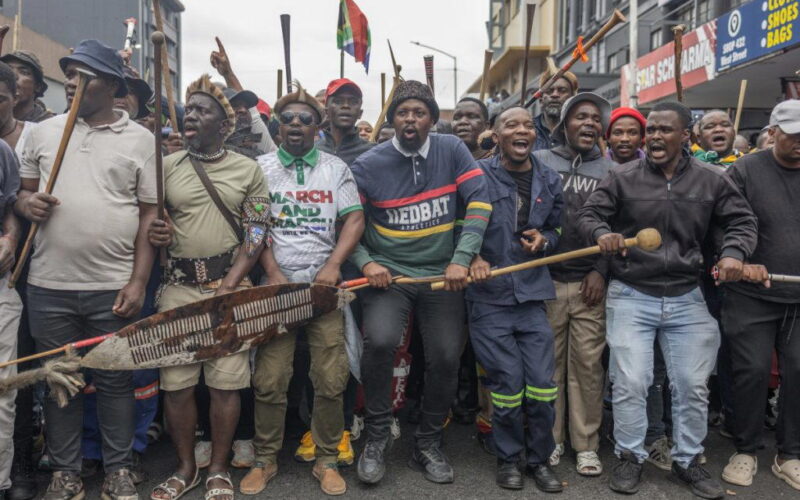
A recent wave of xenophobic unrest in South Africa, fueled by an unofficial June 30 deadline imposed by vigilante groups for undocumented migrants to leave, has forced thousands of people to return to their home countries. Demonstrations across major South African cities, including Durban, preceded this mass exodus, with police working to curb looting and violence that resulted in at least four confirmed fatalities.
Ahamadi Assani, a Malawian national, fled his home in Pietermaritzburg after vigilantes broke into his residence, assaulting occupants and killing two of his countrymen. Now back in his rural village, Assani described the experience as deeply traumatic and stated that he would choose poverty over returning to South Africa. Like many others, he left behind his livelihood, sacrificing a stable income that had previously allowed him to support his family and pay for his children’s education.
The repatriation efforts saw over 15,000 Malawians, along with thousands from Ghana, Nigeria, and Zimbabwe, return home, often with the assistance of their respective governments. Hawa Troko, who fled to a makeshift camp with her infant before securing a government-provided bus, noted that her return was marked by the same economic hardships she had initially sought to escape. Others, like Twaibu Hussein, described the process as chaotic and desperate, highlighting the lack of basic necessities at transit camps.
In Zimbabwe, Takesure Nyawo shared his story of fleeing KwaZulu-Natal after his property was looted by individuals who disregarded his legal residency documents. Despite his nine years of contributing as a carpenter, he was forced to abandon his tools and assets to ensure his family’s safety. Observers have criticized the anti-migrant campaign, suggesting it unfairly blames foreign workers for South Africa’s economic difficulties as local elections approach.