It has been twenty years since Nigeria last held a national population and housing census, leaving the country to govern one of Africa’s largest nations without verified demographic data. With the 2027 general elections drawing near, the census remains stalled, forcing policymakers and investors to rely on estimates rather than hard facts.
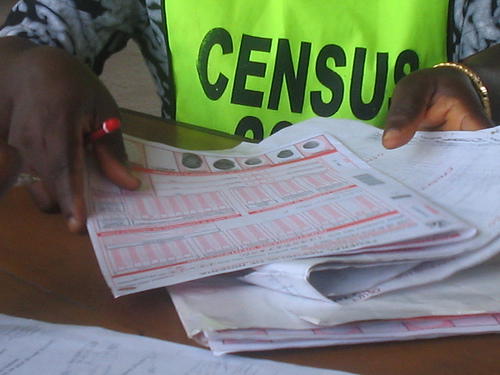
The last official headcount took place in 2006. Since that time, the nation has experienced significant shifts in urban growth, migration, and economic trends. Despite frequent promises from various governments, the National Population Commission (NPC) has been unable to complete a new survey due to persistent funding gaps, security issues, and logistical hurdles.
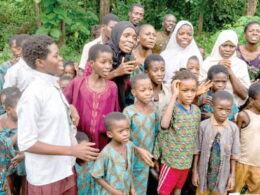
In Nigeria, a census is not merely a statistical task; it is a highly sensitive political issue. Demographic data dictates how resources are allocated and how political constituencies are delineated, which often triggers intense debate. Without current numbers, officials struggle to determine the real-world demand for schools, hospitals, and infrastructure, particularly in rapidly expanding cities like Lagos and Abuja.
Substantial funds have already been committed to the project. Under former President Muhammadu Buhari, roughly ₦224 billion was released to the NPC, with nearly ₦200 billion spent on digital equipment and preparations. Much of this technology now risks becoming outdated if it remains unused. While President Bola Tinubu has promised support for the project and a new committee was formed in 2025 to oversee progress, an official date remains unannounced.
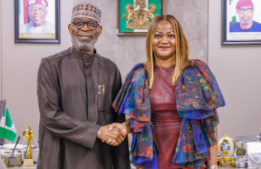
New NPC chairman Dr. Aminu Yusuf has confirmed that the commission is ready to proceed as soon as the government provides the signal. With a fresh budget allocation for 2026, there is cautious hope that the count might occur. However, the proximity of the 2027 elections presents a challenge, as the logistical and financial strain of both events could overwhelm institutional capacity. Ultimately, until a new census is performed, Nigeria will continue to make critical economic and political decisions based on educated guesses rather than concrete reality.