



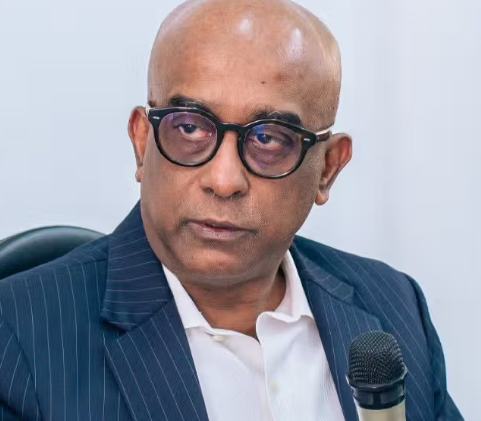
According to the World Bank, Nigeria’s primary fiscal struggle is not an accumulation of too much debt but rather a failure to collect sufficient revenue. Country Director Mathew Verghis emphasized during a Channels Television interview that the nation’s debt levels are reasonable when compared to global benchmarks.
Verghis highlighted that Nigeria’s debt-to-GDP ratio remains healthier than those of many peers, including Ghana, which is currently undergoing debt restructuring. He argued that borrowing is a vital mechanism for funding essential infrastructure, such as projects aimed at connecting 32 million Nigerians to electricity. These investments are intended to generate the economic growth needed to facilitate loan repayments.
While defending the necessity of borrowing, Verghis warned that the country’s fiscal sustainability is at risk if revenue collection does not improve. He stated that raising government income is essential to adequately fund healthcare, education, and job creation initiatives. This perspective aligns with the World Bank’s new six-year Country Partnership Framework, which seeks to bolster Nigeria’s development through strategic investments across multiple sectors.