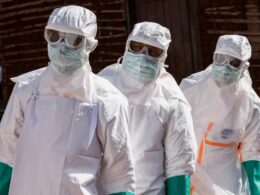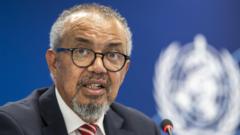
The current Ebola epidemic in the Democratic Republic of Congo is trending toward becoming the most lethal instance of the disease on record. World Health Organisation (WHO) Director-General Tedros Adhanom Ghebreyesus stated that at its current rate of progression, the 2026 outbreak could surpass the 2014-2016 epidemic, which claimed over 11,000 lives.
Since its formal declaration on May 15, the virus has infected at least 4,300 individuals and resulted in more than 2,000 deaths. Health officials now believe the outbreak originated around February, months before it was officially recognized, with initial cases often misidentified as typhoid or malaria. WHO Africa director Dr. Mohamed Janabi noted that authorities are currently struggling to stay ahead of the virus, successfully reaching only about 30% of cases due to regional instability in eastern DR Congo.
This particular strain is the rare Bundibugyo species, for which there are currently no approved vaccines or specific therapeutic treatments. While the virus presents with symptoms easily confused with flu or malaria—such as fever, fatigue, and headaches—it can rapidly advance to severe conditions like organ failure. Transmission occurs through direct contact with infected bodily fluids.
International efforts to combat the disease are underway. The UK’s Medicines and Healthcare products Regulatory Agency (MHRA) has authorized initial human trials for a vaccine developed by the University of Oxford. Furthermore, the WHO is supporting clinical research in the DR Congo to determine if existing antiviral medications can improve patient survival outcomes.