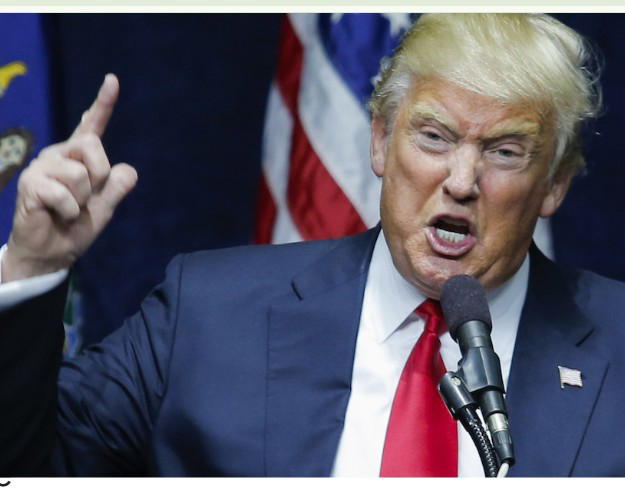
In a vote of 50-48, the US Senate approved a resolution aimed at halting hostilities between the United States and Iran, effectively rebuking President Donald Trump’s military strategy. The measure, which previously passed in the House, requires the president to withdraw American forces from the conflict unless explicit congressional authorization is provided. Because it is a concurrent resolution, it does not require a signature from the president and lacks formal legal enforcement.
This move highlights bipartisan frustration regarding the conflict that began in late February, impacting global energy markets and drawing in nations like Lebanon. Although similar War Powers bills were vetoed by Trump during his first term, this latest vote forces lawmakers to take a public stand. Chuck Schumer, the Senate Democratic leader, urged Republicans to move beyond private criticism and actively support the effort to end the war.
President Trump criticized the vote on his Truth Social platform, labeling the action as poorly timed and inconsequential. The administration currently claims that a ceasefire established in April has already concluded the active fighting. White House officials argue that restricting executive authority could undermine ongoing 60-day diplomatic efforts to finalize a nuclear agreement with Iran. Speaker Mike Johnson echoed this concern, describing legislative interference during sensitive negotiations as dangerous.
Despite the administration’s stance, many lawmakers remain concerned about the conflict’s economic impact and its contribution to inflation ahead of the midterm elections. Meanwhile, complexities in the peace process persist, with Tehran refusing to grant international inspectors access to sites hit by earlier strikes, contradicting claims made by the White House regarding the scope of their preliminary agreement.