Professional cycling is facing renewed scrutiny regarding its drug-testing protocols after officials conducted several late-night anti-doping screens on top-tier athletes at the Tour de France. High-profile riders, including yellow jersey leader Tadej Pogacar and competitor Jonas Vingegaard, were roused for testing during the early hours of the morning.
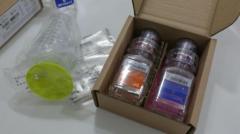
The International Testing Agency (ITA) executed these rare checks across five teams between 11pm and 6am. While the Union Cycliste Internationale (UCI) maintains that these actions are reserved for exceptional, justified circumstances, the move has sparked intense debate. Proponents, such as team manager Jonathan Vaughters, argue that unannounced midnight testing is a crucial deterrent against micro-dosing. These tiny amounts of prohibited substances, such as EPO or HGH, can clear an athlete’s system in just a few hours, potentially leaving a window for abuse if overnight testing remains off-limits.
Conversely, the cyclists’ union, the CPA, has expressed frustration, suggesting that such interventions compromise rider recovery and safety. Adam Hansen, the CPA president, emphasized that athletes already fund these testing programs and suggested that investment should focus on more advanced laboratory detection rather than disruptive nocturnal visits. French law strictly regulates testing during these hours, requiring specific authorization from public prosecutors, though the exact reasons for the recent surge in night-time activity remain confidential.