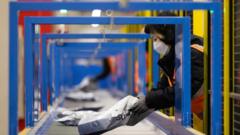
South Korea’s expansive logistics network, driven by a vast army of warehouse staff and delivery personnel, is facing intense scrutiny. The tragic passing of 27-year-old Jang Deok-jun in 2020 ignited a prolonged campaign by his mother, Park Mi-suk, to expose the hazards of nocturnal labor. Jang, who spent over a year working overnight shifts for major retailer Coupang, died from a heart attack, an event state insurers eventually linked to systemic overwork.
The convenience of receiving packages by 7:00 am is facilitated by a massive workforce operating under high-pressure conditions. While some workers, like a driver identified as Kim, appreciate the higher wages associated with these difficult hours, others argue that such employment extracts a severe toll on physical health. Scientific research supports these concerns, noting that night work is linked to increased risks of cardiovascular disease and various metabolic issues.
Efforts to secure accountability remain fraught with difficulty. Park Mi-suk faced significant obstacles when attempting to access her son’s employment logs and internal records to prove that excessive hours contributed to his death. Despite legal victories and national debates regarding labor protections, companies like Coupang maintain that they adhere to safety regulations, even as unions and families continue to challenge these claims in the wake of further workplace casualties.