Concerned professionals are warning that human activity, environmental shifts, and rising pollution levels are endangering vital water sources throughout Niger State. They are urging immediate intervention to prevent the ongoing decline of these water systems.
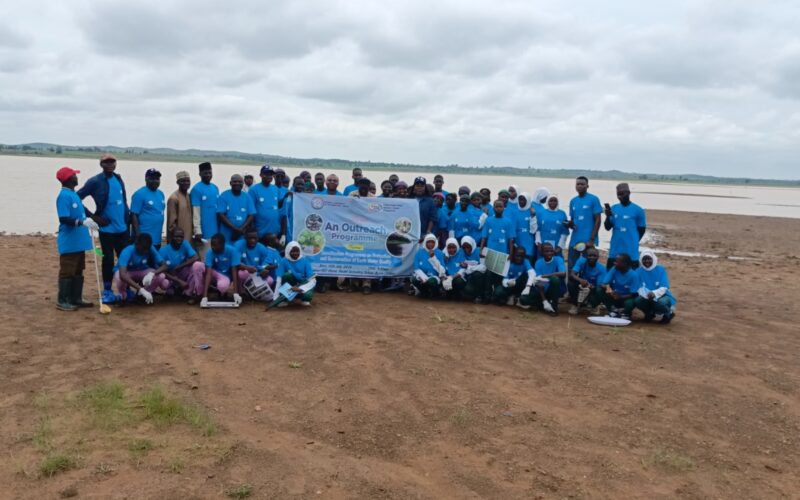
This alert was highlighted during an educational event focused on groundwater conservation, hosted by the Future Earth Water Science Cluster Programme in partnership with the Federal University of Technology, Minna, and the Niger State Ministry of Water Resources. Held at Tagwai Dam, the initiative targeted students from FUT Model School and Bosso Secondary School to instill habits of environmental responsibility.
Dr. Dan Hassan, a former official with the Federal Ministry of Water Resources and Sanitation, noted that while most of the planet consists of water, only a tiny fraction remains accessible for human consumption. He explained that Nigeria faces significant risks from climate instability, including extreme weather and pollution. He specifically highlighted that issues like untreated sewage, agricultural runoff, and open defecation frequently lead to outbreaks of waterborne illnesses such as cholera and typhoid.
Associate Professor Victoria I. Chukwuemeka, a coordinator from FUT Minna, noted that rapid urbanization and illegal mining operations are placing excessive strain on local rivers. She emphasized that because mining chemicals can easily contaminate water through surface runoff, a unified effort from the public and government is essential to protect these resources.
Furthermore, Professor Akobundo N. Amadi pointed out that the Tagwai Dam is currently suffering from siltation caused by environmental changes and human interference, which has diminished its capacity. The university is actively researching technical solutions in cooperation with state authorities. Philemon Danladi, representing the Niger State Ministry of Water Resources, affirmed that the government is committed to enforcing protective legislation to ensure the safety and availability of drinking water for the population.