




Saudi Arabia is struggling to maintain its neutrality in the ongoing conflict between the United States and Iran that erupted on February 28. Following persistent attacks from various fronts, Riyadh recently collaborated with U.S. forces to strike Iranian-aligned militias in Iraq, marking a shift toward active retaliation. The Saudi leadership now grapples with a difficult choice: continue aggressive deterrence or pursue de-escalation tactics to shield its national interests.
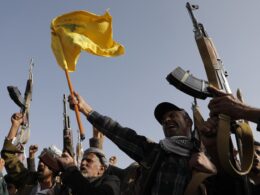
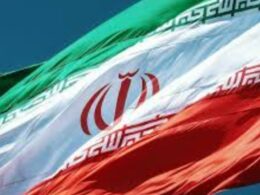
The regional landscape remains deeply polarized. On one side stands Iran, supported by the Islamic Revolutionary Guards Corps and various proxies including the Houthi movement in Yemen and the Popular Mobilisation Forces in Iraq. Opposing them are the United States and several Gulf allies. This instability directly challenges the Kingdom’s Vision 2030, a long-term development initiative designed to diversify the economy and attract global investment.
Economic security remains a primary concern for the Saudi government. Vulnerabilities in critical infrastructure, such as the Abqaiq oil facilities, have been exposed by drone strikes linked to Iranian proxies. Furthermore, the disruption of shipping lanes through the Strait of Hormuz and the Red Sea has complicated oil exports. Despite previous attempts to pacify the Houthis through a 2022 truce, renewed hostilities on both the northern and southern borders threaten to derail the economic ambitions that define the Crown Prince’s current domestic policy.