



African geopolitics are shifting as Sahel nations demand greater sovereignty and distance themselves from former colonial powers. France is responding by building strategic ties with Anglophone countries to compensate for its weakened position in West Africa. A key example is the cooperation agreement between French President Emmanuel Macron and South African President Cyril Ramaphosa.
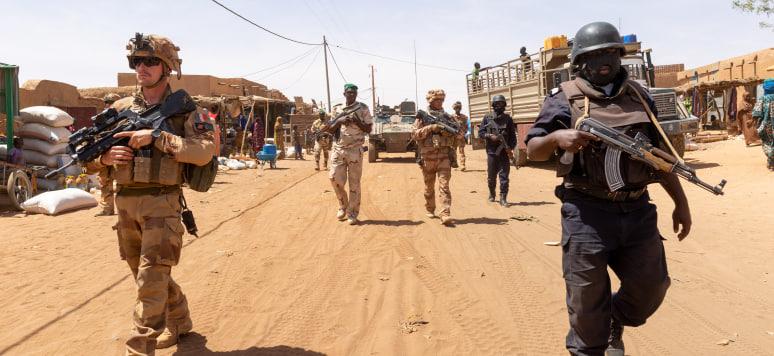
France’s strategy has evolved due to significant friction with the Alliance of Sahel States, specifically Burkina Faso, Mali, and Niger. These nations have expelled French troops and denounced Paris for perceived neocolonial interference. Consequently, France is now intensifying its security engagement with Nigeria and Benin. This partnership includes intelligence sharing, military training, and hardware supply, supported by President Macron and Nigerian President Bola Tinubu.
This growing military cooperation has sparked debate. Some analysts fear France might use Nigeria as a tactical base to re-enter the Sahel, especially given comments from Nigerian officials regarding potential interventions in Mali. Meanwhile, critics warn that new partners should remain cautious of the “Françafrique” legacy. Historical patterns of dependency and economic imbalance serve as a stark reminder for any nation entering into new agreements with France. To ensure long-term stability, future relationships must be built on genuine equality and respect for African sovereignty rather than repeating the mistakes of the past.