A nation’s sovereignty extends beyond its military strength or economic size. It is defined by the state’s capacity to govern its territory, shield natural resources, ensure food stability, and guarantee public safety. Nigeria possesses significant forests, minerals, and fertile land, yet failing to protect these assets invites instability and illegal exploitation.
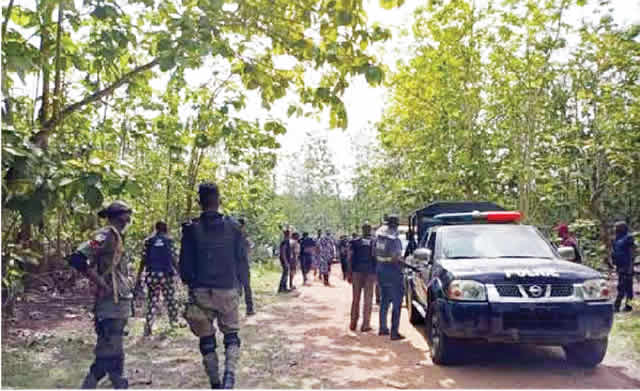
Forests are critical national assets, yet banditry and criminal networks frequently use them as hideouts. Securing these regions requires a multi-agency approach, combining community intelligence with advanced monitoring to strip criminals of their operational bases. This is not merely an environmental concern but a core component of national defense.
Nigeria’s wealth in minerals like gold and lithium also remains under threat from illegal mining. Without strict regulation and improved geological data, these resources fuel conflict rather than industrial growth. A sovereign state must assert control over its mining sector to ensure these riches bolster the national economy instead of being lost to illicit activities.
Food security acts as another pillar of national sovereignty. Despite having vast arable land, agricultural output in Nigeria is stifled by insecurity and poor infrastructure. Protecting farmers is a national security priority, as the ability to feed the populace is essential for preventing external dependence and maintaining social order.
Ultimately, Nigeria’s strength relies on a cohesive national strategy that integrates forest protection, mining oversight, and agricultural support. By fostering responsible governance and institutional effectiveness, the nation can preserve its resources for future generations. Protecting these assets is a collective duty that ensures the country remains prosperous and independent.