



In many parts of Lagos, the lack of proper waste disposal is impossible to ignore. While residents in select estates benefit from regular collection by LAWMA or private contractors, much of the city has effectively turned into an open-air dump. From the busy markets of Oshodi and Mushin to the residential areas of Lekki and Surulere, roadsides are frequently overwhelmed by heaps of trash.
This accumulation of waste becomes a critical issue when heavy rains arrive. Drainage channels throughout the city are routinely blocked by plastic bottles, nylon bags, and other refuse. Despite public awareness campaigns, some citizens continue to discard waste directly into gutters or build illegal structures on drainage corridors, severely limiting the water’s flow.
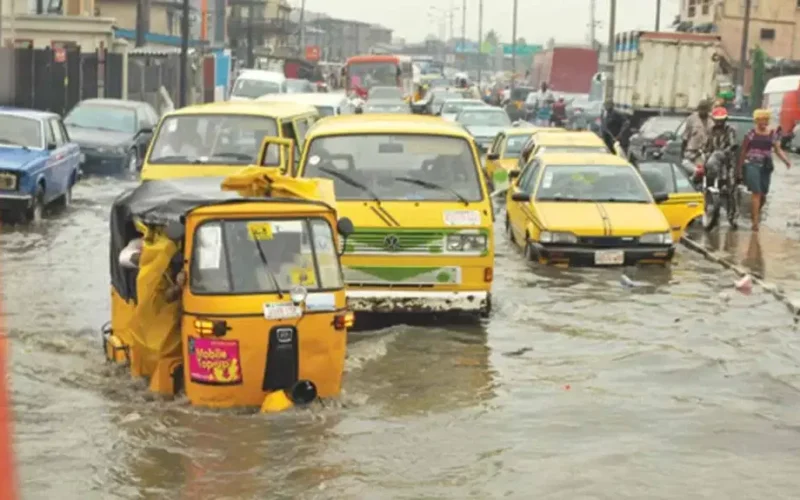
As the Nigerian Meteorological Agency (NIMET) predicts more intense rainfall, the risk to public health grows. Experts warn that stagnant floodwaters serve as a breeding ground for diseases like cholera, typhoid, and malaria. Recent downpours have already paralyzed parts of Lagos, forcing schools to close, trapping commuters, and leaving vehicles submerged.
Nigeria has faced similar disasters before, including the 2012 floods that displaced over two million people and the tragic events in Mokwa, Niger State, in 2025. Nearby countries like Ghana have also struggled with severe flooding in Accra, highlighting the regional scale of this environmental crisis.
Public debate on the issue remains divided. While some blame the government for poor urban planning and insufficient canal maintenance, others argue that citizens bear responsibility for their habits. One common justification for dumping waste in drainage is the absence of reliable, accessible waste disposal services in many neighborhoods.
Addressing this cycle of destruction requires more than just government intervention. It demands a comprehensive approach involving sustainable waste management policies, modern early-warning systems, and a fundamental shift in how residents treat their environment. Without a change in behavior, infrastructure improvements will offer little relief, and Lagos will remain vulnerable to annual flooding.