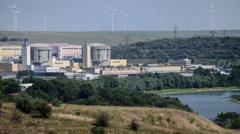
Romania has suspended operations at its sole nuclear power plant, Cernavodă, due to record-low water levels in the Danube River. The facility, which provides approximately 20% of the nation’s electricity, relies on the river for reactor cooling. Officials report that the second of its two 706-megawatt reactors was disconnected on Thursday, and a restart is unlikely within the next 10 days. The first reactor was taken offline earlier in July.
Plant director Romeo Urjan confirmed that attempts to redirect water flow by sinking stone-filled barges had been made, yet the levels remain insufficient. Similar challenges are affecting other European nations, with climate change driving intense heatwaves across the continent. Hungary, which also depends on the Danube for its Paks nuclear station, faces potential shutdowns, while low water levels have disrupted shipping on the Rhine and hampered hydropower production throughout the region.
These extreme temperatures have triggered widespread environmental and economic consequences, including severe wildfires in Greece and France. European officials warn that the financial impact of droughts, heat, and fires could reach billions of euros, threatening projected economic growth across the European Union.