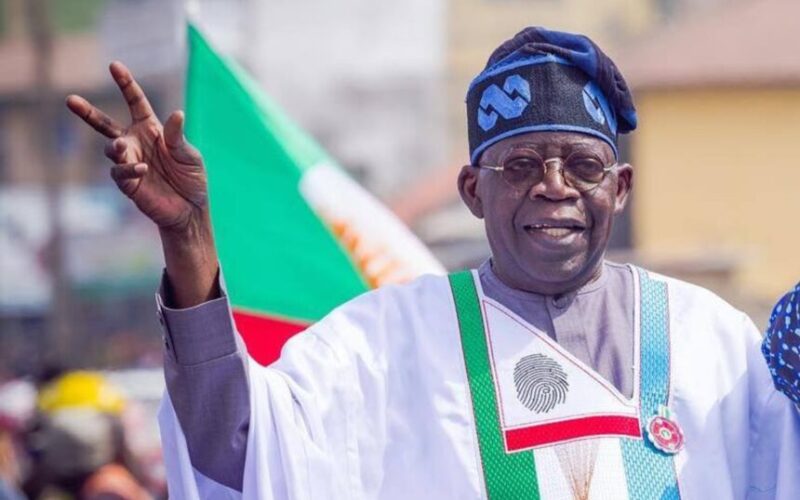
President Bola Tinubu’s command to the Economic and Financial Crimes Commission to lift a court-ordered freeze on the Osun State government’s bank account has sparked a national debate regarding the independence of the anti-corruption agency. The president publicly expressed embarrassment over the timing of the freeze, which occurred shortly before the August 15 governorship election, arguing that federal actions are often incorrectly tied to his office.
Before the president’s intervention, the commission had defended its move as a standard preventive measure, drawing comparisons to previous actions taken in Edo State. This defense did not quell public skepticism. Many observers, including political figures like Atiku Abubakar and the African Democratic Congress, questioned whether the president’s ability to override the EFCC suggests a lack of institutional independence, especially regarding ongoing investigations involving high-profile former officials.
Legal expert Oba Maduabuchi noted that while the president lacks legal authority to direct the commission, his intervention was understandable given the political climate of the upcoming election. However, he criticized the method, stating that such matters should be handled through the Attorney General rather than direct public orders. He further suggested that the agency should focus on recovering diverted funds rather than paralyzing state government operations.
The controversy deepened when opposition figures pointed out discrepancies between the president’s claims of a court order and the commission’s own previous statements. Atiku Abubakar’s camp labeled the incident a threat to democratic governance, warning that such selective actions undermine public trust. By calling on the president to apply similar influence in other high-profile corruption cases, critics are arguing that the episode reveals a pattern of executive control that contradicts the supposed autonomy of Nigeria’s anti-graft agencies.