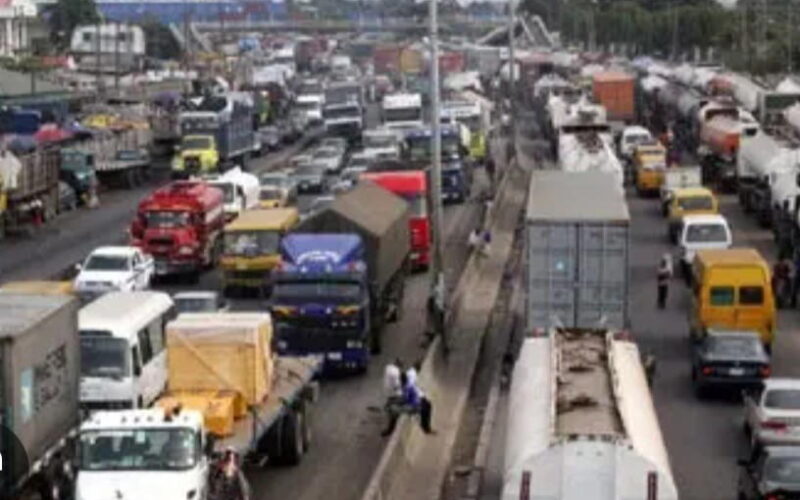
Ongoing gridlock caused by fuel tankers in the Apapa and Kirikiri districts of Lagos highlights deep-seated flaws in Nigeria’s petroleum distribution network, despite repeated government attempts to fix the issue. Daily, thousands of vehicles hauling petrol, diesel, and aviation fuel converge on these areas, creating massive delays that cripple local businesses, port functions, and daily commuting.
Research indicates that this crisis stems from more than just poor traffic management. Key issues include insufficient infrastructure, inadequate logistics planning, weak regulatory oversight, and systemic corruption. A critical shortage of designated truck parks forces hundreds of tankers to wait on public roads for loading instructions, effectively turning highways into long-term parking lanes. Furthermore, the high concentration of storage facilities in Apapa forces thousands of trucks to compete for access to the same depots.
While the Dangote Petroleum Refinery has increased local supply, many marketers continue to source products from Apapa tank farms, keeping traffic levels high. The nation’s heavy reliance on road transport, exacerbated by the failure of pipeline and rail infrastructure due to vandalism and lack of maintenance, ensures that trucks remain the primary delivery method. Compounding these problems, some drivers park indiscriminately while awaiting customers, and allegations persist that law enforcement personnel accept bribes to allow trucks to remain illegally on the roads.
Mazi Colman Obasi, head of the Oil and Gas Services Providers Association of Nigeria, noted that continued licensing of fuel imports forces these tankers to crowd the Apapa corridor. Experts suggest that to resolve this, the government must prioritize local refinery output, restore pipeline and rail networks, enforce strict parking requirements for depots, and improve the electronic truck call-up system. Without a unified effort from various government agencies, the economic impact of this recurring traffic nightmare will continue to plague Lagos.