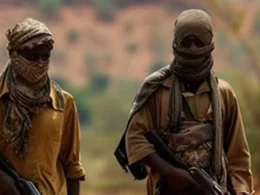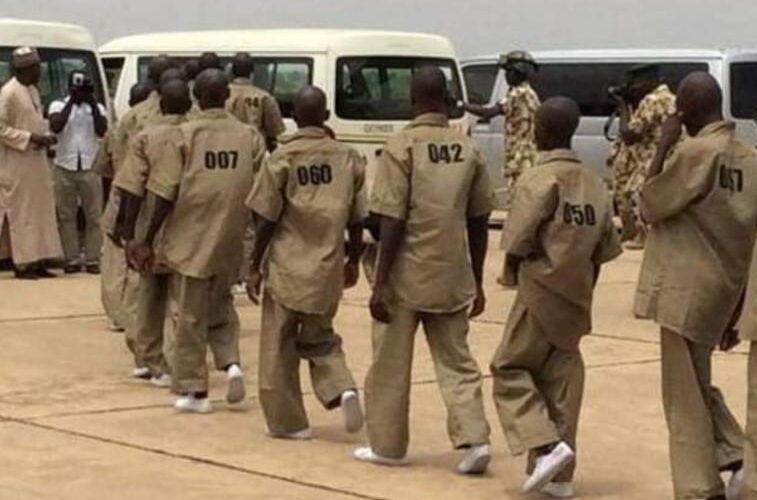
For many Nigerians, the government’s approach to dealing with repentant insurgents remains deeply polarizing. Launched in 2016 under former President Muhammadu Buhari, the Operation Safe Corridor initiative was designed to deradicalize and reintegrate low-risk Boko Haram fighters back into civilian life. The program utilized psychological counseling, vocational training, and religious guidance as a non-kinetic alternative to strictly military solutions.
Despite its noble origins, the program has faced intense criticism. Security experts and human rights advocates argue that the initiative focused heavily on perpetrators while neglecting the victims of terror. Many families who lost their homes and loved ones continue to languish in displacement camps, creating a sense of betrayal that the government seemingly prioritized the welfare of former militants over those they harmed.
Dr. Hashim Saludeen and other experts highlight a lack of accountability within the program. They contend that rehabilitation should not serve as an alternative to justice, especially for those who committed serious crimes. Furthermore, there is a lack of transparent data regarding the program’s success rates, how many individuals have returned to violence, or how well these former combatants are actually accepted by their communities.
Critics also point to the failure of vocational training to align with real-world job markets, which increases the risk of recidivism. While the government has recently signaled a tougher stance against bandits, analysts suggest that the solution is not to abandon rehabilitation but to overhaul it. Necessary reforms include transferring oversight to civilian institutions, ensuring serious offenders face prosecution, fostering community participation, and addressing the underlying poverty and instability that fuel insurgent recruitment.