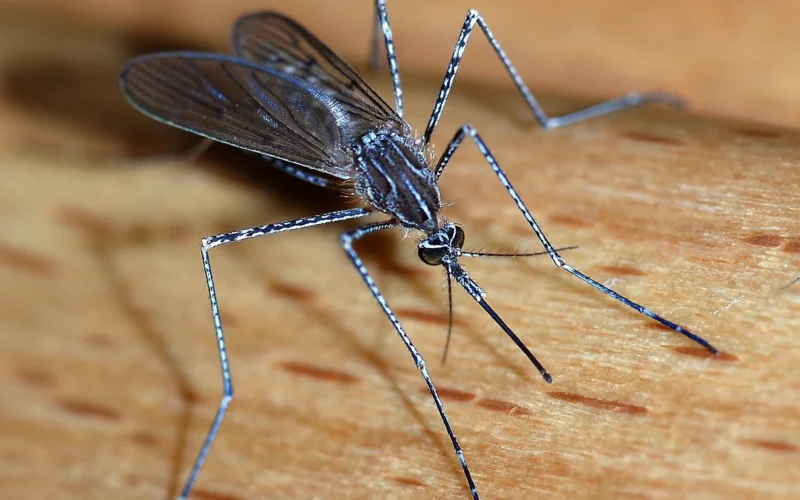
Malaria persists as a major global health crisis, particularly in Africa, despite significant scientific progress. This ailment is triggered by Plasmodium parasites spread via the bites of female Anopheles mosquitoes, which are most active between dusk and dawn. Although not contagious through casual social contact, the parasite can be transferred from mother to child during pregnancy or birth. Many people mistakenly treat mosquito bites as a minor annoyance, but an infection can lead to critical complications such as organ failure, severe anaemia, and cerebral malaria if left unmanaged.
Data from the World Health Organization shows that malaria claimed approximately 610,000 lives in 2024, with African children under five bearing the heaviest toll. Nigeria, along with nations like Ethiopia and the Democratic Republic of Congo, contributes significantly to this global burden. While the 2026 World Malaria Day theme, “Driven to End Malaria: Now We Can. Now We Must,” highlights new tools like vaccines and advanced nets, obstacles such as drug resistance and climate change persist.
A dangerous trend in Nigeria is the habit of self-medicating for any fever, which is often misidentified as malaria. Fever is a symptom, not a diagnosis. Relying on improper medication delays actual care and fosters drug resistance. Medical authorities strongly advocate for official confirmation via Rapid Diagnostic Tests or microscopy before starting Artemisinin-based Combination Therapy. Completing the full medical course is essential for recovery.
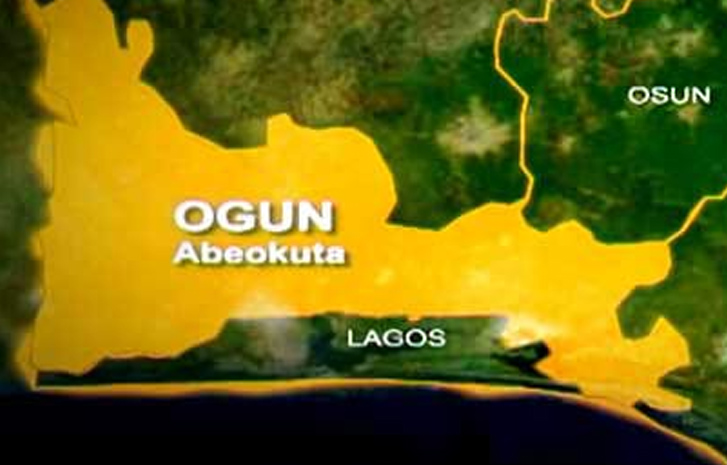
Governmental action is vital, as seen in Ogun State where Governor Dapo Abiodun has supported the distribution of treated nets and expanded care via the Ogun State Health Insurance Agency. However, success requires a unified approach. The private sector must invest in public health, while religious and traditional leaders must dispel myths in rural areas. Environmental upkeep, such as clearing stagnant water, is a simple but powerful preventive step. Ultimately, eliminating this disease requires collective political will and individual responsibility to ensure that malaria is no longer a persistent threat to African lives.