



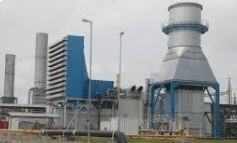
Ibom Power Company Limited, a prominent state-owned electricity generator, faced nearly a year of inactivity between 2025 and 2026. The 191-megawatt facility struggled as a severe gas shortage halted operations, highlighting the deep financial distress currently impacting Nigeria’s power sector.
According to the company, natural gas was available for only 30 days throughout the past year. This persistent fuel scarcity forced the plant into repeated shutdowns. Managing Director Engr. Camillus Umoh revealed that the Federal Government still owes the company N15.7 billion out of a total N28 billion in legacy debts dating back to 2015. Due to these unpaid obligations, the plant’s gas supplier, Accugas, has stopped extending credit and now mandates payment before any fuel is delivered.
Engr. Umoh noted that even when gas was supplied, deliveries reached only a fraction of the plant’s requirements. By June 2026, the supply ceased entirely as the company could not meet the demands for upfront payment. This crisis is part of a broader trend in the Nigerian Electricity Supply Industry, where generation companies are collectively waiting for trillions in outstanding payments. While the government has acknowledged N4 trillion in total debts, current repayment plans involve a mix of cash and bonds that may be redeemed at a discount, further straining the financial health of generators.
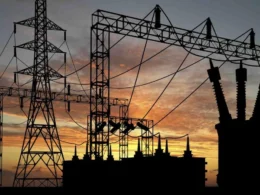
Beyond the financial hurdles, the plant faces significant infrastructure issues. The aging Aba-Itu transmission line restricts power evacuation to approximately 70MW, while the Calabar-Itu line remains non-functional due to past vandalism. Despite these challenges, the facility maintains an operational capacity of over 80MW, which exceeds local demand in Akwa Ibom State. Umoh emphasized that long-term solutions require market liquidity, improved transmission, and enhanced financial discipline throughout the energy supply chain.