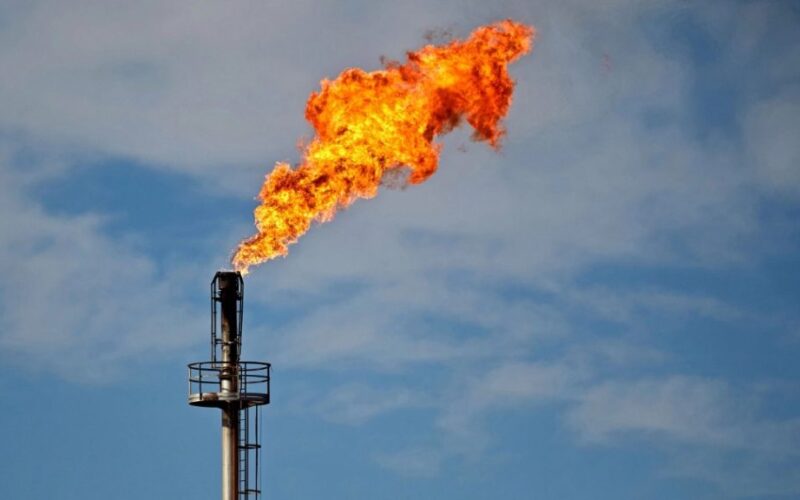
Nigeria experienced a significant loss of 62,400 gigawatt-hours (GWh) of potential electricity due to gas flaring between 2024 and 2025. This figure marks an 18.6 percent rise from the 50,800 GWh lost in the 2022-2023 period. Despite government initiatives and penalties, the practice remains prevalent while the rest of the world moves toward capturing gas for industrial use and energy production.
Reports from the National Oil Spill Detection and Response Agency (NOSDRA) indicate that the flared gas held a value of $2.2 billion, with associated penalties for operators reaching $1.2 billion. Onshore operations accounted for 380.6 million standard cubic feet of flared gas, compared to 243.8 million offshore, resulting in 33.2 million tonnes of carbon dioxide emissions. The World Bank currently ranks Nigeria as the seventh-largest gas flaring nation globally, responsible for approximately nine billion cubic metres of flared gas in 2025.
Professor Wumi Iledare, an expert in petroleum economics, attributes this trend to flaws in the power market rather than just poor enforcement. He argues that the lack of a functional gas-to-power value chain makes flaring a default choice for producers. Iledare suggests that while fines are necessary, the government must prioritize infrastructure investment, market-based pricing, and reliable payment systems to encourage gas commercialization over wasteful flaring.