



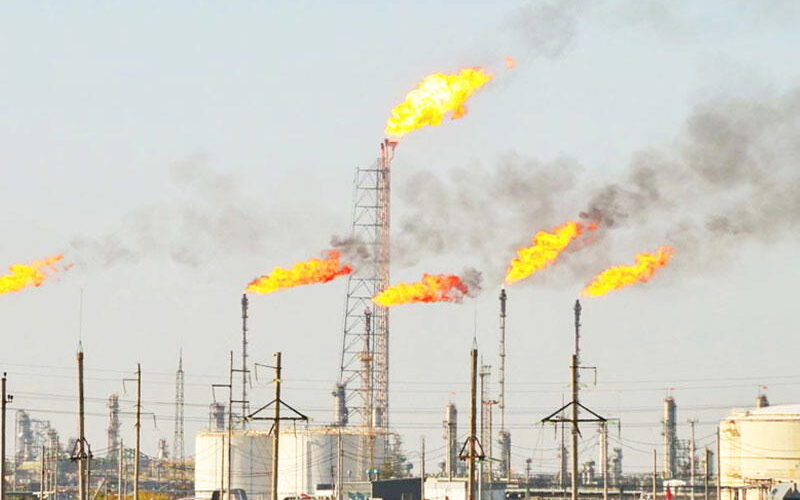
Nigeria’s goal of becoming a gas-reliant economy by 2030 faces a major hurdle, with 3,100 gigawatt-hours (GWh) of potential electricity generation lost in May 2026 due to gas flaring by oil firms. Reports from the Nigerian Upstream Petroleum Regulatory Commission (NUPRC) and the National Oil Spill Detection and Response Agency (NOSDRA) provide conflicting data on the exact volume of gas flared during this time. While NUPRC reported 17.6 million standard cubic feet (MMSCF), NOSDRA recorded a significantly higher figure of 30.7 million standard cubic feet (MSCF).
NOSDRA estimates the value of the flared gas at $107.5 million, with oil companies facing $61.4 million in penalties. Onshore flaring spiked by 62.3 percent to 22.3 MSCF, compared to 8.4 MSCF offshore. This activity resulted in approximately 1.6 million tonnes of carbon dioxide emissions. Although the government launched its “Decade of Gas” initiative in 2021 to boost power supply and industrial use, progress remains stagnant.
Persistent gas flaring continues to hinder the country’s ability to supply sufficient gas to power plants, keeping electricity generation below 4,000 megawatts. The Renevlyn Development Initiative (RDI) has called for a total ban on the practice, noting that oil companies often prefer paying fines to upgrading infrastructure. According to the Nigerian Oil Spill Monitor, these companies paid $646 million in penalties in 2025, marking a five-year high.