The $3.32 billion loan, disbursed in April 2020 during the COVID-19 pandemic, was granted to support Nigeria’s urgent balance of payments needs as the country grappled with plunging oil prices and fiscal pressure.
Loan Background
The IMF approved the RFI loan — equivalent to 2,454.50 million Special Drawing Rights (SDR) — under an emergency support mechanism requiring minimal conditionalities. It differed from standard IMF programmes, which often demand extensive structural reforms.
Repayment Schedule
Nigeria’s repayment obligations are staggered over five years:
-
2025: SDR 306.81 million in principal + SDR 22.81 million in charges and interest
Total: SDR 329.62 million (~$446.21 million) -
2026–2029: Annual interest/charge payments of ~SDR 26.7 million
Total over four years: SDR 106.8 million (~$144.57 million)
In total, SDR 436.42 million (~$590.78 million) remains to be paid.
Debt Servicing Trends
In 2024, Nigeria paid $1.63 billion to the IMF — all principal — making up 35% of the country’s $4.66 billion total external debt servicing.
-
Multilateral creditors accounted for $2.62 billion (56% of total)
-
IMF alone made up 62% of all multilateral debt service
Nigeria’s outstanding debt to the IMF dropped from $2.47 billion in 2023 to $800.23 million in 2024, a 67.6% reduction.
Economic Reforms Underway
President Bola Tinubu’s administration has introduced several reforms:
-
Exchange rate unification
-
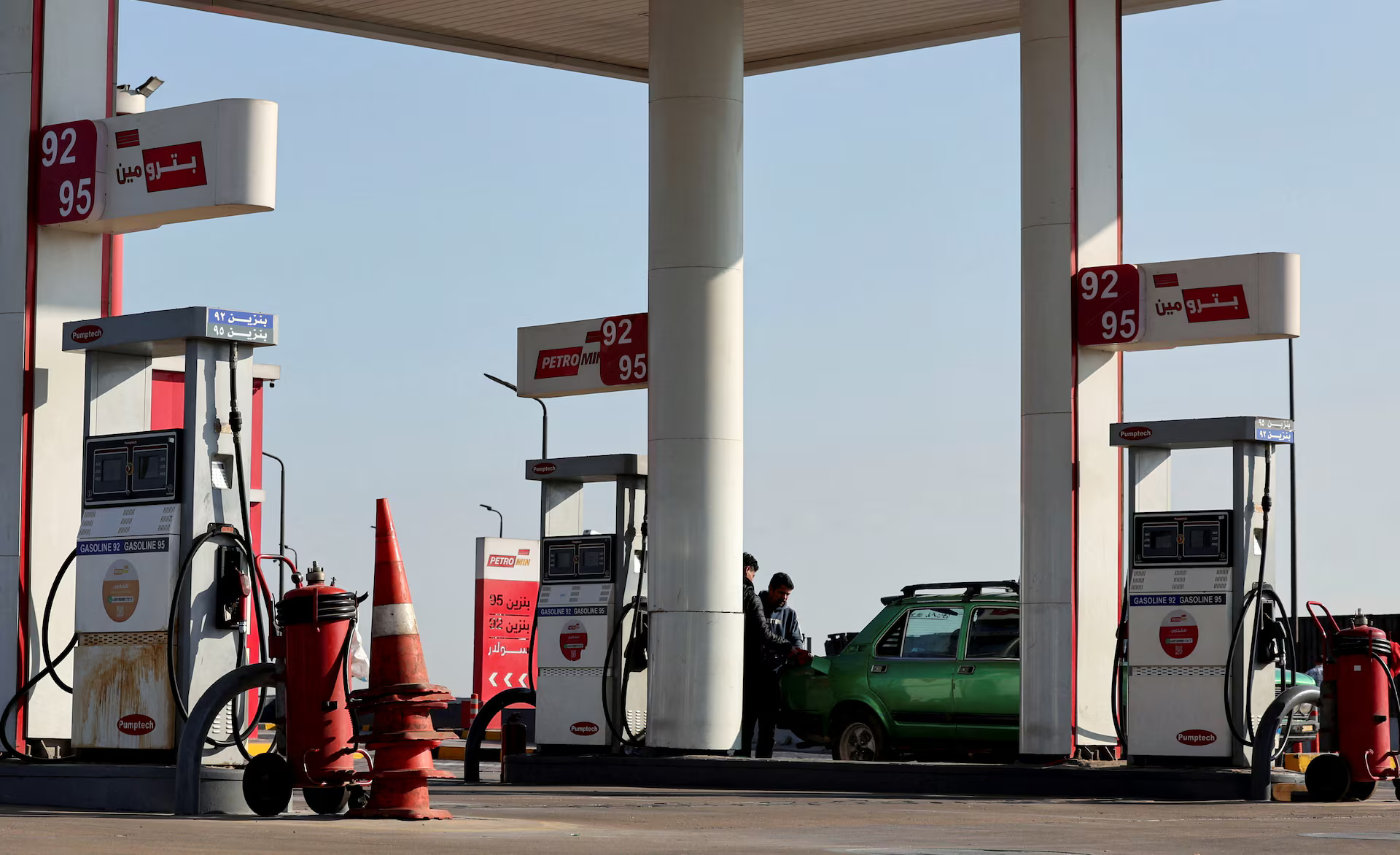
Petrol subsidy removal
-
Tax administration improvements
These measures aim to improve fiscal discipline, enhance macroeconomic stability, and restore investor confidence.
Outlook for 2025
-
World Bank growth forecast: 3.6%
-
IMF growth forecast: 3.0%
-
Inflation (March 2025): 24.23%, trending downward
-
External reserves: Stabilising, supported by oil exports and remittances
-
Current account balance: Surplus expected by 2026
Risks and Future Implications
While Nigeria has no overdue IMF obligations, challenges remain. These include:
-
Oil price volatility
-
Fiscal slippages
-
Domestic insecurity
If Nigeria maintains reform momentum and avoids refinancing, it will likely bolster its credit profile, increase investor trust, and gain improved access to global capital markets.
With prudent policy implementation and continued fiscal discipline, Nigeria appears set to successfully exit its IMF loan obligations by 2029, closing a critical chapter in its post-pandemic recovery.