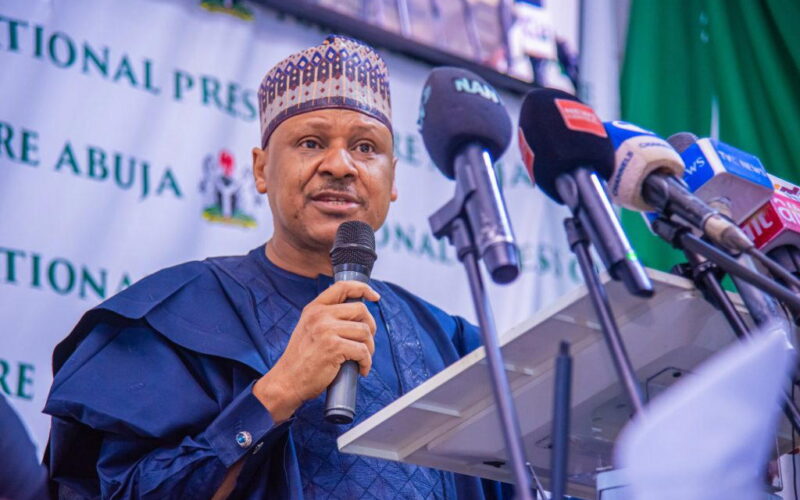
Mohammed Idris, the Minister of Information and National Orientation, stated that the current administration’s strategic policy changes are placing Nigeria on a path toward long-term economic stability and international investment. In an interview with Impact Reports, an outlet associated with the Los Angeles Times, Idris emphasized that decisions like ending fuel subsidies and consolidating foreign exchange rates have bolstered market trust.
The minister explained that these challenging structural changes were essential to secure the nation’s financial health. These moves have already led to increased government revenue, more robust external reserves, and a more stable macroeconomic climate. Beyond fiscal policy, the administration is focusing on infrastructure, agriculture, and healthcare, alongside specific programs like the Nigerian Education Loan Fund and the Presidential Compressed Natural Gas initiative.
Nigeria is actively working to move away from oil dependency by fostering growth in sectors such as technology, manufacturing, and creative arts. Leveraging a young and talented workforce, the government aims to position the country as a primary destination for global innovation. The Ministry of Information and National Orientation is currently focused on highlighting these advancements through transparent and factual public communication. Looking toward the future, Idris noted that the 2026 World Public Relations Forum will be a key opportunity for Nigeria to demonstrate its modernization, particularly through the newly established International Media and Information Literacy Institute in Abuja.