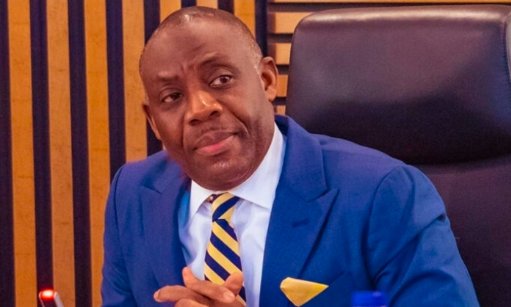
Minister of Education Dr. Tunji Alausa has stated that the primary issue facing Nigeria’s school system is not enrolment, but the inability of millions of children to advance through the educational tiers. Speaking at the 2026 Annual Education Summit in Abuja, Alausa emphasized that the gap between primary and secondary schooling highlights a massive structural failure.
The minister highlighted a critical disparity: while roughly 25 million pupils are enrolled in primary schools, only five million proceed to junior secondary school. He noted that the scarcity of junior secondary facilities, which are outnumbered by primary schools by a ratio of eight to one, serves as the main barrier to student progress.
To address systemic issues, Alausa urged journalists to move beyond standard reporting and embrace data-driven investigations. He encouraged the use of the Nigeria Education Data Infrastructure Management System (NEDIMS) to hold local and state officials accountable for infrastructure and teacher quality. The minister pointed out that accurate data is essential for governance and tracking public investment.
Reflecting on the Tinubu administration’s progress, Alausa noted that the tertiary sector has experienced three consecutive years without academic disruptions. He also highlighted a shift in university standings, reporting that public institutions now occupy the top four spots in national rankings, surpassing private universities.
Other speakers, including Minister of State for Education Prof. Suwaiba Ahmad and UBEC Executive Secretary Aisha Garba, emphasized that collaboration between the government, media, and stakeholders is vital to ensuring no child is left behind. The summit concluded with a call for continued reforms focused on digital transformation, vocational training, and improved governance to secure the nation’s future.