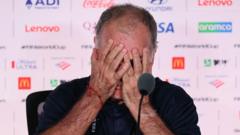
Marcelo Bielsa, who had previously declared his intention to resign as Uruguay head coach following the World Cup, oversaw a fittingly somber end to his tenure. A 1-0 loss to Spain in Guadalajara resulted in the two-time world champions crashing out at the group stage for the second tournament in a row, highlighting the struggles that defined his time in charge.
Taking personal blame for the team’s failure, the 70-year-old manager admitted he felt his three-year project had produced no lasting impact. Having previously labeled himself toxic, he stated that without the achievement of results, any contributions he attempted to make to Uruguayan football failed to take root.
A defining moment of his final match involved the half-time substitution of veteran goalkeeper Fernando Muslera. The 40-year-old, brought back from international retirement at Bielsa’s request, was removed after a critical error led to Spain’s goal. It marked a difficult end for Muslera, who earned his 137th cap in the defeat.
While Bielsa’s reign began with promise—notably successful World Cup qualifiers and a high-scoring start to his tenure—the momentum stalled following the 2024 Copa America. Tensions within the squad were frequently reported, with former star Luis Suarez publicly criticizing the coach’s detached management style. Similarly, winger Agustin Canobbio was involved in a notable dispute with the manager.
Bielsa’s rigid tactical approach and occasional refusal to conform to modern football customs, such as official photoshoots or tournament regulations, appeared increasingly at odds with his squad. As he approaches what may be the twilight of a storied career, the lack of a cohesive bond between coach and players stands out as a primary factor in this disappointing conclusion for the Uruguayan national team.